
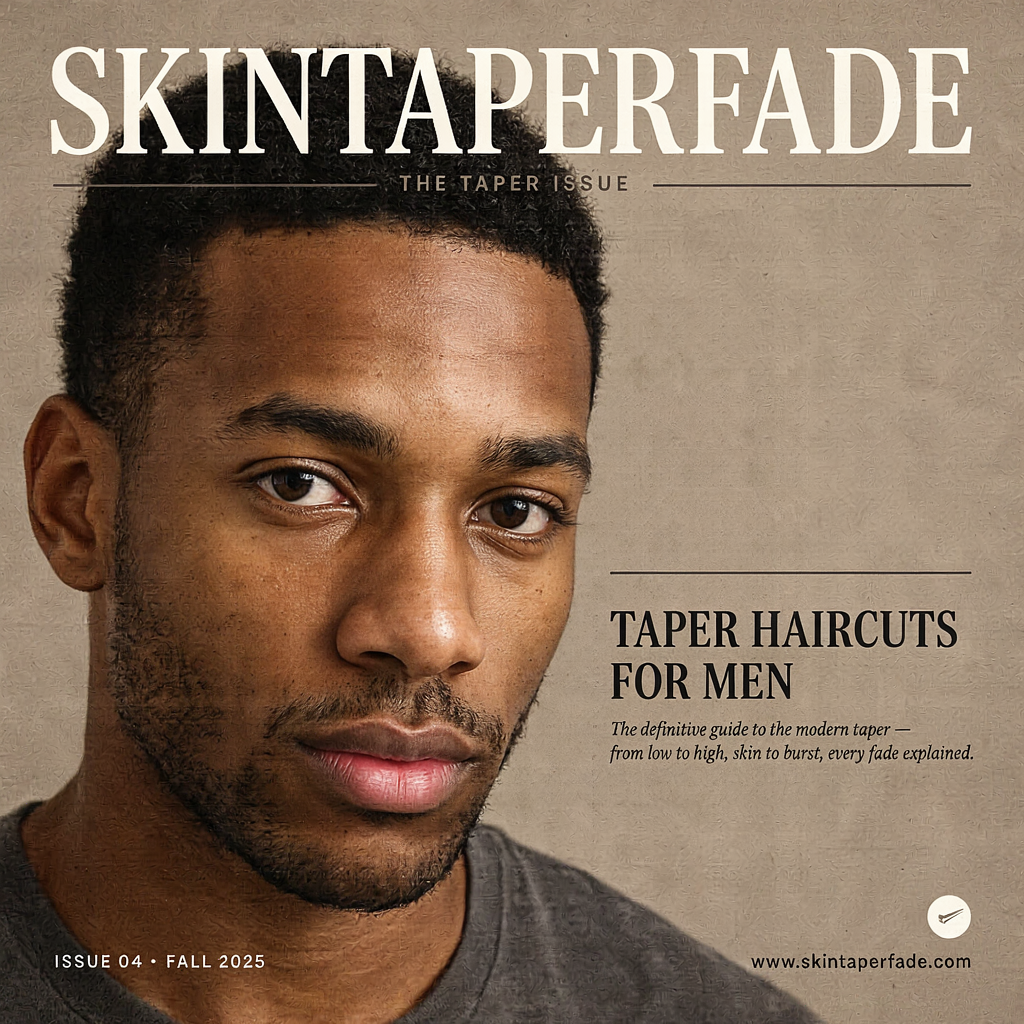
A good taper haircut makes the transition from longer hair to shorter hair look deliberate. It can sharpen a simple short cut, tidy the edges of a longer style or give curls and textured hair a cleaner outline. The appeal is flexibility: you can keep most of your length while deciding how subtle or sharp you want the finish to be.
The difficulty is that taper does not describe one fixed haircut. A classic taper, a low taper fade and a high skin taper can look quite different. This guide explains the terms, shows which styles work with different hair and gives you clear instructions to take to your barber.
Taper Haircuts
What is a taper haircut?
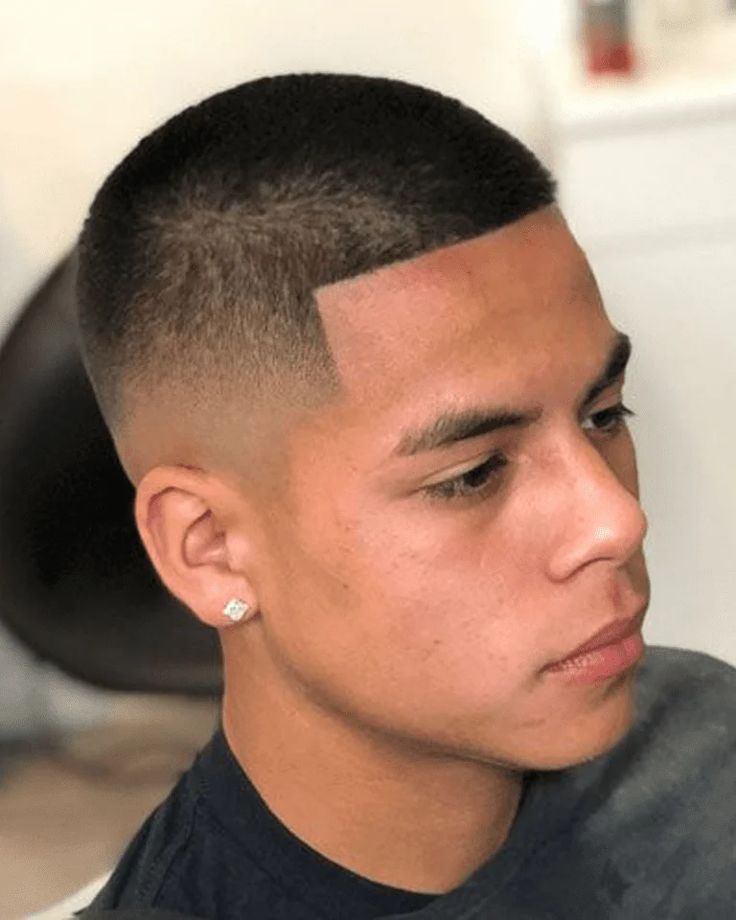
A taper haircut gradually reduces the length of the hair as it moves down the sides and back of the head. The change can be soft and spread over a large area, or concentrated around the sideburns and neckline. The hair on top is usually left longer, but a taper can be paired with anything from a short crop to longer curls.
In a classic taper, the barber keeps visible hair through the sides and gradually shortens it towards the edges. In a taper fade, the shortest areas may be cut extremely close or down to the skin, commonly around the temples and the back of the neck. Barber terminology varies, so a photograph is more useful than relying on the name alone.
Taper vs fade: what is the difference?
Both involve a gradual change in length. In common barbershop usage, taper often suggests a softer, more restrained reduction in length, especially at the sideburns and neckline. Fade often describes a shorter, more noticeable blend that covers more of the sides and back. A skin fade goes all the way down to bare skin at its shortest point; a taper does not have to.
The words overlap. A barber might call a close blend at the temples a taper fade, while another might simply call it a taper. If you want hair to remain around your ears, say so. If you want skin showing, specify exactly where. Read our taper vs fade guide for a fuller comparison once it is published.
Taper vs undercut
An undercut creates a stronger separation between the longer top and shorter sides, often with little or no gradual blend. A taper blends the lengths together. You can combine an undercut with a tapered neckline, but they describe different parts of the haircut.
Main types of taper haircuts
The position tells your barber where the shorter blend starts; the finish tells them how short it gets. You can therefore ask for a low taper that stays dark, or a low skin taper that exposes skin at the edges.
| Style | What it looks like | Good starting point for |
|---|---|---|
| Classic taper | Gradual shortening through the sides and back, with a natural edge | A neat, understated haircut |
| Low taper | The shortest blend stays close to the sideburns, ears and neckline | Keeping most of the sides full |
| Mid taper | The shorter section reaches higher around the temples and back | A clearer outline without a very high cut |
| High taper | The transition rises further up the sides | More contrast and a bolder silhouette |
| Skin taper | The shortest part is shaved to skin | A very crisp edge that needs regular upkeep |
| Temple taper | A small blend focused around the temples and sideburns | Cleaning up the front edges while preserving length |
| Neck taper | A blend focused at the nape | A softer, tidier neckline |
Classic taper
The classic taper is a reliable choice if you want a haircut that looks tidy without drawing attention to the blend itself. The sides retain enough length to comb or brush, and the outline gradually narrows towards the ears and neck. It pairs well with a side part, crew cut or short scissor cut.
Ask for: “A classic taper with some length left on the sides and a natural neckline.”
Low taper
A low taper keeps the short section near the bottom of the haircut. It is useful when you want your curls, waves or longer side hair to remain visible. Viewed from the front, the difference may be most noticeable at the sideburns.
Ask for: “Keep the taper low around the temples and neckline. Please leave the upper sides full.”
Explore the low taper haircut guide when that supporting article is published.
Mid taper
A mid taper extends the shorter blend farther up than a low taper. It gives the sides a cleaner shape while leaving room for a visible transition into the hair on top. The exact height depends on head shape, hair density and the reference photo you bring.
Ask for: “A mid taper with a smooth blend, but keep enough weight near the top of the sides.”
High taper
A high taper moves the shorter area up towards the upper sides. It can create a sharper contrast with longer hair on top. Check the reference photo carefully: some photos labelled high taper are closer to a high fade that removes much more hair around the head.
Ask for: “I want a higher taper, but please show me how much length will come off the sides before you cut.”
Skin taper
A skin taper takes the shortest part of the blend down to bare skin, usually around the sideburns and nape. It creates a crisp finish but the fresh edge becomes less defined as the hair grows. You can combine a skin finish with a low, mid or high placement.
Ask for: “A low skin taper only at the sideburns and neckline; keep the rest of the sides fuller.”
Taper haircut styles to consider
A taper describes the sides and back. The top and front determine much of the haircut’s overall character.
1. Taper with a textured crop
Keep the top short enough to style forward, with texture cut into it rather than a flat, solid fringe. A low or mid taper cleans up the sides. This is a practical option if you prefer quick daily styling.
2. Taper with a side part
The side part gives the haircut a defined shape while the taper keeps the edges neat. Ask for enough length on top to comb into place and tell your barber whether you part your hair naturally or want a more pronounced line.
3. Taper with a quiff
A quiff needs length and lift at the front. The taper reduces bulk around the sides so the front becomes the focal point. Hair density and growth pattern affect how much height you can achieve without spending extra time styling.
4. Taper with a pompadour
This style leaves more volume through the top and front. A classic taper provides a softer look; a skin taper adds stronger contrast. Ask your barber to preserve enough length for the way you actually style your hair.
5. Curly taper haircut
A taper frames curls without taking away all their volume. A low temple and neck taper can be especially effective when you want a rounded curly shape above it. Ask your barber to assess how the curls sit when dry, since curl shrinkage changes the finished appearance.
6. Afro taper haircut
A temple or low taper can define the hairline and neckline while keeping the shape and height of an Afro. Discuss whether you prefer a natural hairline or a sharper line-up; repeated sharp line-ups should not be pushed back into the natural hairline.
7. Taper with waves
A taper can tidy the temples and nape while leaving the hair on top at a length that works with your wave pattern. Tell your barber the direction you brush your hair and how much length you want retained.
8. Taper with a buzz cut
The top stays very short, but the tapered edges add shape to an otherwise uniform cut. A low taper is a subtle option; a skin taper gives the sideburns and neckline a clearer finish.
9. Taper with a crew cut
A crew cut leaves the front slightly longer than the crown in many versions. Pairing it with a classic taper gives you a neat, easy-to-manage haircut without requiring a bare-skin finish.
10. Taper with longer hair on top
A taper can work with a longer fringe, loose waves or hair swept back. Keep enough weight at the upper sides to avoid a disconnected look unless that contrast is intentional. Bring a photo showing the side view as well as the front.
11. Taper with a beard
The sideburn area can blend into the beard for a continuous transition. Tell your barber whether you want the beard kept full, faded at the cheeks or simply neatened. A beard blend should suit the beard you can grow, rather than an image with a different density.
12. Taper with a natural neckline
You do not need an aggressively outlined nape to get a tidy cut. A soft neck taper follows the hair’s natural growth pattern and can grow out more gently than a very sharp blocked line.
Which taper haircut suits your hair type?
Straight hair: A classic taper, side part or textured crop can show the blend clearly. If your hair lies flat, ask for texture on top rather than assuming a short taper will create volume by itself.
Wavy hair: Keep enough length on top for the wave pattern to form. A low or mid taper can remove bulk at the edges without cutting into the movement above.
Curly hair: Decide first how much curl volume you want to keep. A low taper concentrates the cut around the edges, while a higher blend changes the overall silhouette. Ask your barber to account for shrinkage.
Coily or Afro textured hair: A temple or low taper can define the shape while preserving texture. Discuss the hairline, neckline and desired amount of contrast separately. A line-up is optional.
Fine or thinning hair: A subtle taper can tidy the sides without making the top look more exposed. Very high or skin-short sides can emphasise the difference in density for some people. Ask your barber to assess the cut with your own growth pattern rather than choosing by label.
Thick hair: A taper can take weight out of the lower sides while leaving the shape on top. If the sides tend to flare as they grow, ask where the weight should be removed so the haircut remains balanced between visits.
How to choose the right taper
Start with the look you want from the front, side and back. Then make three decisions:
- Placement: Should the shorter blend stay low, rise to the middle or reach higher up the sides?
- Shortest length: Do you want visible hair at the bottom, a very close clipper cut or bare skin?
- Top and outline: How much length stays on top, and do you want a natural hairline or sharper edges?
If you are unsure, start with a low, non-skin taper. It leaves more length for the barber to adjust during the appointment. Show photographs of a haircut on hair with a similar texture and density to yours, ideally including the side and back.
Your face shape may influence how you style the top, but it should not dictate a rigid rule. A tall quiff adds visual height; fuller sides add width. Your hair growth, styling habits and preferred outline are usually more useful than trying to match a face-shape chart.
What to ask your barber for
“Can I show you two photos? I want the longer hair on top to stay at about this length. Please keep the taper low around my sideburns and neckline, with the upper sides left full. I would like the shortest section to stay visible rather than going to skin. Please keep my hairline natural.”
Change the words to match your preference. In particular, confirm:
- How high the taper should reach.
- Whether the shortest area should show scalp.
- How much length to remove from the top.
- Whether to keep or remove bulk above the temples.
- Whether the neckline should be natural, rounded or more sharply outlined.
- Whether the beard should be blended into the sideburns.
Clipper guard numbers can help repeat a cut, but they are not a complete description. Results vary with the clipper, lever setting, hair direction and blending technique. A photo plus the outcome you want gives the barber more useful information than a guard number on its own.
How to style a taper haircut
The taper itself usually needs little daily work; your top length determines the styling routine. Start with clean or lightly damp hair and use a small amount of product. A matte paste can add separation to a short textured top; a light cream can help define loose curls; a comb and a suitable styling product can create a neater side part. Add more product only if needed.
For volume at the front, direct the hair with a dryer on a comfortable heat setting, then finish with product. If you prefer a simple routine, tell your barber before the cut. A style that looks good only after careful blow-drying may not suit how you get ready each morning.
How often should you get a taper haircut?
There is no fixed schedule. A skin-short taper loses its crisp edge sooner than a softer classic taper, and fast-growing hair or a precise line-up may prompt more frequent visits. Many people check the shape after roughly two to four weeks, then adjust their appointment schedule to the look they prefer. Longer, softer tapers can often grow out more comfortably.
Between cuts, wash and condition your hair according to its needs, style the top gently and avoid trying to recreate a tight blend with home clippers unless you have the skill and the right tools. A small neckline tidy-up can help, but taking the taper higher by accident changes the haircut.
Common taper haircut mistakes
Asking only for “a taper”: The term leaves the height and shortest length open to interpretation. Show a photo and describe the edges.
Confusing height with closeness: A low skin taper is low in placement but very short at the bottom. A higher taper may still leave visible hair.
Ignoring the back view: The nape can be tapered, blocked or left natural. Point out the finish you want.
Removing too much weight: Very short upper sides can change the shape of curls, longer styles and fine hair. Agree on the blend before cutting.
Expecting identical results from a reference photo: Hair density, curl pattern, head shape and growth direction affect the outcome. Use the picture to explain the shape you want, then ask your barber how to adapt it.
Frequently asked questions
Is a taper haircut the same as a taper fade?
Not always. Taper haircut can describe any gradual shortening, including a soft classic cut. Taper fade usually suggests a closer blend around the edges. The terms are used differently between barbershops, so specify the placement and shortest length.
Can a taper haircut work with long hair?
Yes. A taper can clean up the sideburns and neckline while you keep substantial length on top. Ask how the upper sides will connect to the longer hair so the result suits your preferred shape.
Can I get a taper without showing skin?
Yes. Ask for a non-skin taper with visible hair left at the shortest point. Show the barber how dark or close you want the edges to appear.
What is the difference between a low taper and a high taper?
The difference is where the shorter blend sits. A low taper stays near the hairline, ears and nape; a high taper extends farther up the sides. Either can be cut softly or taken very close.
Is a taper haircut suitable for curly hair?
Yes. A low or temple taper can give curls a clean outline while preserving their volume. Discuss shrinkage and the finished shape with your barber before shortening the sides.
Does a taper grow out well?
A softer taper often keeps a more natural shape as it grows. A skin taper or sharp line-up will show regrowth sooner, though how noticeable it is depends on your hair and preferred look.
Should I ask for a line-up with a taper?
Only if you like a defined hairline. A line-up and a taper are separate choices. You can keep a natural front hairline and still taper the temples and neckline.
Final thoughts
The best taper haircut is the one that fits your hair, your routine and the amount of contrast you enjoy. Choose where the blend starts, how short it gets and how much hair remains on top. Take clear reference photos to your barber and describe the parts you want to keep. Those details will get you closer to the haircut you have in mind than the word taper alone.