
Managing thick hair can feel like a blessing and a challenge rolled into one. While you’ve got enviable volume and body, finding a haircut that tames bulk without sacrificing style requires precision and expertise. Enter the skin fade for thick hair – a technique that’s revolutionizing how men with dense hair approach their grooming routine.
As someone who’s consulted with dozens of master barbers and witnessed countless transformations, I can confidently say that the skin fade represents one of the most effective solutions for thick hair. This cutting technique removes weight strategically while creating dimension, texture, and a clean, contemporary aesthetic that works across professional and casual settings.
Contents
- Why Thick Hair and Skin Fades Are a Perfect Match
- Understanding Fade Heights for Thick Hair
- Top Styling Variations for Thick Hair
- Technical Execution: What Your Barber Should Know
- Maintenance and Growing Out Your Fade
- Product Recommendations for Thick Hair Fades
- Face Shape Considerations
- Common Mistakes to Avoid
- The Investment Worth Making
- Looking Forward: Skin Fades for Every Occasion
- FAQs
- How often should I get a skin fade with thick hair?
- Does a skin fade work with all thick hair types?
- What’s the best fade height for thick hair and a round face?
- Can I style a skin fade for thick hair at home?
- Will a skin fade make my thick hair look thinner?
- What should I tell my barber for a skin fade with thick hair?
- How do I prevent my thick hair from looking bulky on top with a skin fade?
- Is a skin fade too high-maintenance for thick hair?
- What’s the difference between a skin fade and a taper fade for thick hair?
- Can older men with thick hair wear skin fades?
Why Thick Hair and Skin Fades Are a Perfect Match
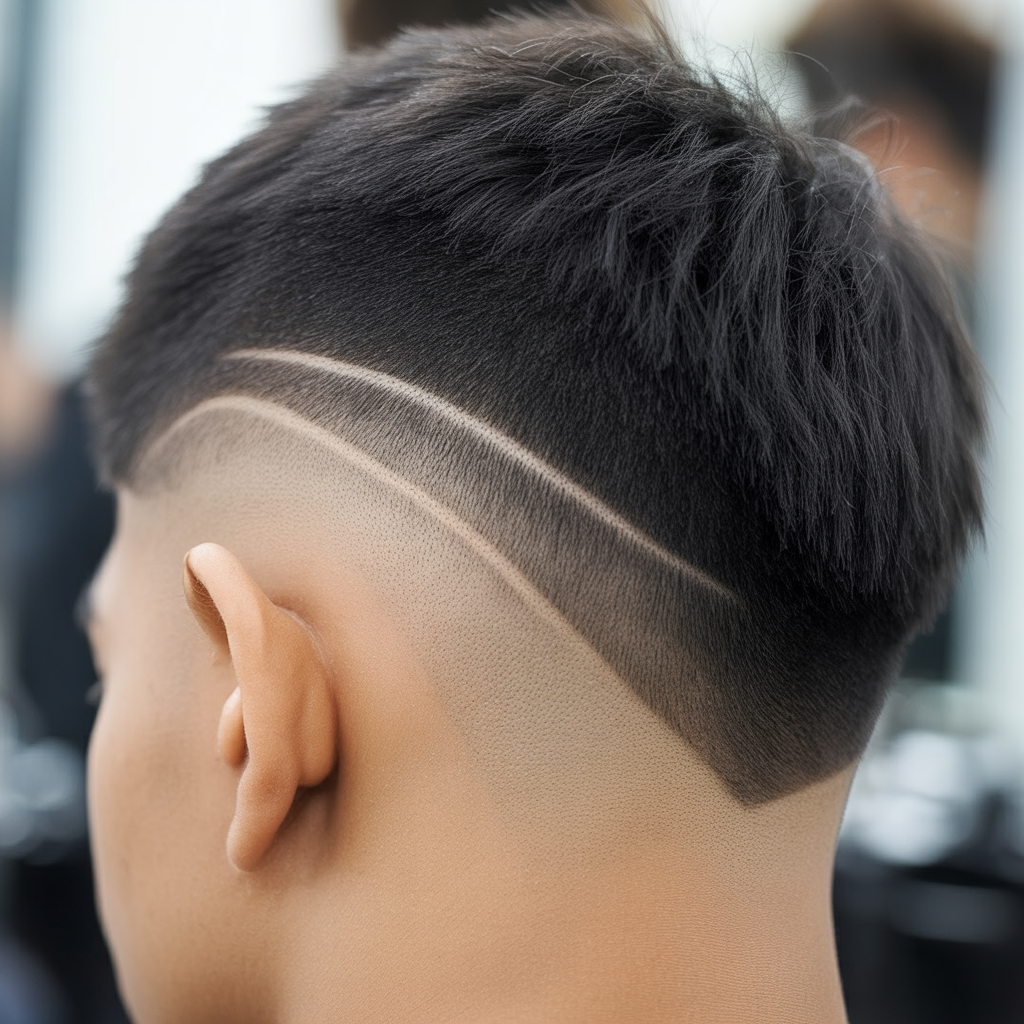
Thick hair provides the ideal canvas for skin fade haircuts. The density creates natural contrast between the gradually tapered sides and the voluminous top, resulting in a dramatic, sculptural effect that thinner hair simply cannot achieve.
“Thick hair allows us to create more aggressive transitions and bolder shapes,” explains James Martinez, a celebrity barber with over 15 years of experience in Los Angeles. “The fade doesn’t just remove bulk it architecturally redesigns the silhouette of the entire haircut.”
The skin fade works by creating a gradient from bare skin at the bottom to full thickness at the top. For men with thick hair, this gradient becomes particularly striking because the contrast is so pronounced. The fade effectively “lightens” the sides and back while preserving volume where you want it most.
Understanding Fade Heights for Thick Hair
Choosing the right fade height dramatically impacts your final look. With thick hair, you have more flexibility than those with finer textures, but each height serves a distinct purpose.
Low Skin Fade Starting just above the ears, the low fade offers subtle sophistication. It’s ideal for conservative professional environments or men who want the benefits of a fade without dramatic contrast. Your thick hair on top remains the focal point, while the sides stay clean and manageable.
Mid Skin Fade The mid fade begins around the temples, creating balanced proportions that work with virtually any face shape. This is my personal recommendation for most men with thick hair because it provides excellent weight removal without appearing too edgy. The mid fade also extends the time between haircuts since the transition zone sits in a less noticeable area.
High Skin Fade For maximum impact, the high fade starts well above the temples, sometimes 2-3 inches from the top of the head. This aggressive approach works beautifully with thick hair because you maintain substantial volume on top while creating extreme contrast. High fades suit men with strong facial features and those who want a contemporary, fashion-forward appearance.
Top Styling Variations for Thick Hair
The versatility of combining thick hair with skin fades opens up numerous styling possibilities. Here are the most effective combinations I’ve observed:
Textured Crop with Skin Fade This European-inspired style keeps 2-3 inches of length on top with choppy, disconnected layers. The skin fade removes bulk from the sides while the textured top plays to thick hair’s natural strength. Use a matte clay or fiber to enhance separation and movement.
Pompadour Skin Fade Thick hair creates magnificent pompadours with lasting height and structure. The skin fade provides clean sides that emphasize the dramatic volume on top. This classic-meets-modern combination works particularly well for formal occasions and professional settings.
Slicked Back with Skin Fade When you want sophistication with an edge, the slicked-back style delivers. Your thick hair provides the density needed for a substantial slick, while the skin fade keeps the overall look from becoming too heavy or dated.
Curly Top with Skin Fade If your thick hair has natural curl or wave, embrace it. The skin fade removes weight from the sides where curls can appear bulky, while the curly top creates distinctive personality and texture. This combination has surged in popularity precisely because it celebrates natural hair texture.
Technical Execution: What Your Barber Should Know
Not every barber excels at skin fades for thick hair. Understanding the technical aspects helps you communicate effectively and ensures superior results.
The process typically involves multiple guard lengths (#4, #3, #2, #1, #0) blended seamlessly into bare skin. With thick hair, your barber must account for density when creating the transition. Hair that appears one length when combed down may look completely different when it dries and gains volume.
“The biggest mistake I see is barbers rushing the blend on thick hair,” notes Sarah Chen, a competition barber and educator based in New York. “Thick hair requires extra time creating the gradient because you’re working with more hair follicles per square inch. Each transition needs careful attention to avoid harsh lines.”
Point cutting, slide cutting, and texturizing become essential techniques. These methods remove internal bulk without shortening overall length, preventing the “mushroom” effect that plagues thick-haired men who get simple scissor cuts.
Maintenance and Growing Out Your Fade
Skin fades demand regular maintenance—typically every 2-3 weeks for thick hair. The good news? Your density means the fade grows out more gracefully than it does on finer hair. As the sides grow, they maintain better coverage and shape.
Between appointments, keep the top moisturized and conditioned. Thick hair often runs drier than fine hair, and a skin fade exposes more scalp, potentially increasing dryness. A quality leave-in conditioner or hair oil helps maintain scalp health and hair texture.
If you’re growing out your fade, communicate this with your barber. They can adjust the fade height and blend to create a transitional style that looks intentional rather than neglected.
Product Recommendations for Thick Hair Fades
Your product choice significantly impacts your daily styling experience. Thick hair requires products with strong hold and good workability.
For Textured Styles: Matte clays and fiber pastes provide separation without shine. They work into thick hair more easily than heavy waxes and offer reworkable hold throughout the day.
For Slicked Styles: Medium to high-shine pomades give you the control needed to slick back thick hair. Water-based formulas wash out easily, avoiding product buildup that weighs down your hair.
For Volume: Pre-styling products like sea salt sprays or volumizing mousses add grit and texture to thick hair, making it easier to style and hold shape.
Apply products to damp hair for better distribution. Thick hair absorbs product differently than fine hair, so you’ll likely need a more generous amount than package instructions suggest.
Face Shape Considerations
Your face shape should guide your specific fade and top length choices. Thick hair with a skin fade offers remarkable versatility for customization.
Round Faces: Add height on top with a pompadour or quiff while keeping sides tight with a mid or high fade. This creates vertical lines that elongate your face.
Square Faces: You can handle almost any variation, but textured crops with mid fades complement strong jawlines particularly well.
Oval Faces: The most versatile shape can experiment freely. Try different fade heights and top styles to discover your preference.
Long Faces: Avoid excessive height. Opt for textured crops or forward-swept styles with low to mid fades that add width rather than length.
Common Mistakes to Avoid
Through years of observation, I’ve identified recurring mistakes men make with thick hair skin fades:
Waiting Too Long Between Cuts: A skin fade loses its definition quickly. Stretching appointments beyond four weeks undermines the entire aesthetic.
Wrong Product Amount: Thick hair needs more product than you think, but applying too much at once causes clumping. Start with a nickel-sized amount and add more as needed.
Ignoring Hair Growth Patterns: Thick hair often has strong growth patterns—cowlicks, whorls, directional growth. Work with these patterns rather than against them for easier daily styling.
Skipping Conditioning: The exposed scalp and hair ends need moisture. Don’t treat your thick hair like it’s indestructible.
The Investment Worth Making
Quality skin fades for thick hair cost more than basic haircuts, typically ranging from $40-$80 depending on your location and barber expertise. This investment pays dividends in your daily appearance and confidence.
Consider that you’re not just paying for 45 minutes in the chair—you’re paying for years of training, specialized techniques, and artistic vision that transforms your thick hair from overwhelming to outstanding.
When you find a skilled barber who understands thick hair and skin fades, build that relationship. Consistency with the same professional yields better results because they learn your hair’s unique characteristics, growth patterns, and style preferences.
Looking Forward: Skin Fades for Every Occasion
The beauty of skin fade haircuts lies in their adaptability. Whether you’re heading to a job interview, wedding, gym, or casual weekend gathering, this style transitions seamlessly across contexts.
For more comprehensive information about skin fade variations and techniques, explore our complete Skin Fade Haircuts: Definitive Style Guide, where we cover everything from basic principles to advanced styling approaches.
Your thick hair represents an advantage in the world of modern men’s grooming—when paired with the right technique and expertise, it creates distinctive, memorable style that commands attention for all the right reasons.
FAQs
How often should I get a skin fade with thick hair?
Most men with thick hair should schedule appointments every 2-3 weeks to maintain a sharp skin fade. Thick hair grows out more gracefully than fine hair, so you might extend to 4 weeks if you prefer a slightly grown-out look, but the fade definition deteriorates after 3 weeks.
Does a skin fade work with all thick hair types?
Yes, skin fades work excellently with straight, wavy, and curly thick hair. The technique adapts to your specific texture. Curly thick hair actually benefits tremendously because the fade removes bulk where curls tend to puff out on the sides while preserving beautiful texture on top.
What’s the best fade height for thick hair and a round face?
A mid to high skin fade works best for round faces with thick hair. The higher fade creates vertical lines and removes bulk from the sides, while keeping substantial volume on top elongates your face shape. Pair this with a pompadour or quiff for optimal face-lengthening effect.
Can I style a skin fade for thick hair at home?
Absolutely. Daily styling takes 5-10 minutes with the right products. Apply product to damp hair, use your fingers or a comb to create your desired shape, and finish with a blow dryer for extra volume and hold. The skin fade itself requires professional maintenance, but daily styling is straightforward.
Will a skin fade make my thick hair look thinner?
No, a skin fade actually makes thick hair look better by strategically removing weight from the sides while maintaining or emphasizing volume on top. The contrast created by the fade highlights your hair’s thickness rather than diminishing it.
What should I tell my barber for a skin fade with thick hair?
Be specific about fade height (low, mid, or high), desired top length, and styling preference. Mention if you have strong growth patterns or cowlicks. Show reference photos and ask your barber to recommend adjustments based on your face shape and hair characteristics.
How do I prevent my thick hair from looking bulky on top with a skin fade?
Ask your barber to use texturizing techniques like point cutting or slide cutting to remove internal bulk without sacrificing length. These methods create movement and reduce weight while maintaining the appearance of thick, full hair on top.
Is a skin fade too high-maintenance for thick hair?
It requires commitment—professional cuts every 2-3 weeks and daily styling with appropriate products. However, many men find the clean, contemporary look worth the maintenance. If you prefer low-maintenance, consider a taper fade instead, which grows out more gracefully.
What’s the difference between a skin fade and a taper fade for thick hair?
A skin fade goes down to bare skin with clippers, creating dramatic contrast. A taper fade uses scissors and leaves some hair length at the shortest point, offering a more gradual, subtle transition. For thick hair, skin fades provide more aggressive bulk removal and sharper definition.
Can older men with thick hair wear skin fades?
Definitely. Skin fades work across all ages. Older men often choose lower fade heights and more conservative top styles like slicked-back or side-parted looks, which pair beautifully with the clean sides of a skin fade while maintaining professional sophistication.