
Low taper fade short hair has become one of the most requested styles in barbershops across the UK – and it’s not hard to see why. It’s clean, versatile, and works equally well whether you’re heading into a boardroom or a weekend barbecue. Unlike more aggressive cuts that can look sharp one week and overgrown the next, the low taper fade ages gracefully, giving you a consistently smart look between visits.
What makes it so enduringly popular is the combination of subtlety and structure. The fade begins low – typically at or just above the ear – and gradually blends downward toward the neckline, creating a refined transition without the stark contrast of a high or mid fade. Paired with short hair on top, the result is a style that feels modern without trying too hard.
Contents
- What Makes a Low Taper Fade Different?
- Types of Low Taper Fade Short Hair Styles
- How to Maintain a Low Taper Fade Short Hair Style
- Common Mistakes to Avoid With a Low Taper Fade
- Final Thoughts
- Frequently Asked Questions
- What is a low taper fade on short hair?
- How is a low taper fade different from a mid or high fade?
- How often should I get a low taper fade cut?
- Does a low taper fade suit all face shapes?
- What’s the best short hairstyle to pair with a low taper fade?
- Can I get a low taper fade if I have curly or Afro-textured hair?
- How do I describe a low taper fade to my barber?
- What products should I use to style short hair with a low fade?
- Will a low taper fade make my hair look thinner?
- Is a low taper fade suitable for professional or formal settings?
What Makes a Low Taper Fade Different?
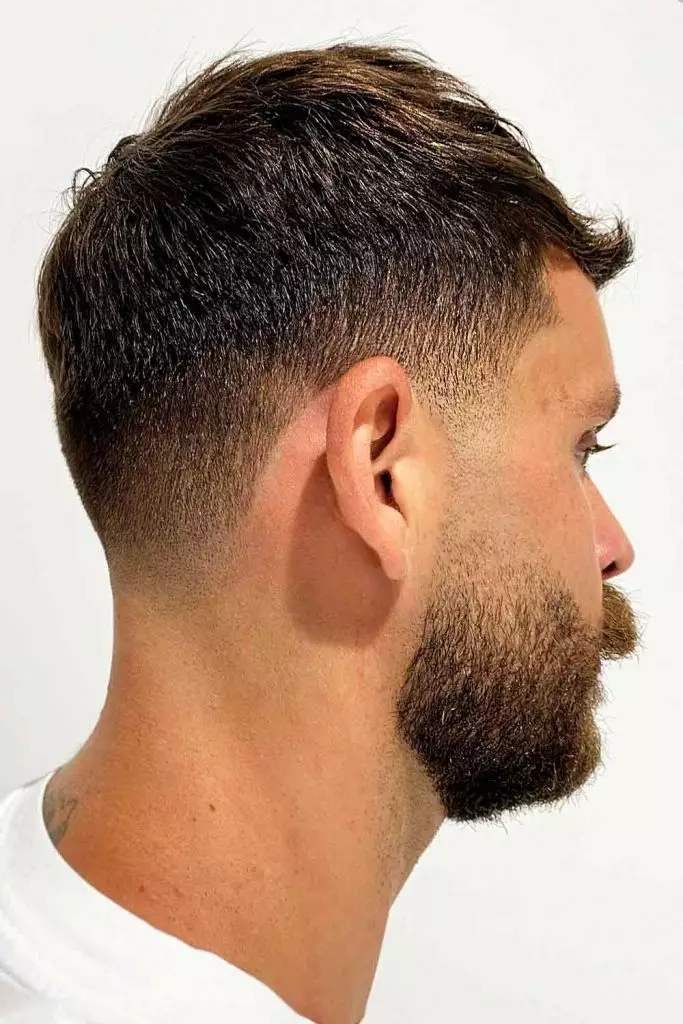
Before we get into specific styles, it’s worth understanding the mechanics. A taper, by definition, means the hair gradually shortens as it approaches the hairline – at the sides, back, and around the ears. A fade takes that concept further by blending the hair into the skin using clipper guards in descending order.
The ‘low’ element refers specifically to where that blending begins. In a low taper fade, the transition starts close to the natural hairline — roughly at the temples and just above the ears — rather than high up on the sides of the head. The result is more conservative than a high fade, which can sometimes look stark or overly dramatic.
Key characteristics of a well-executed low taper fade include:
- A soft, gradual blend that starts no higher than the mid-ear
- Clean lines around the ears and neckline
- Maintained length on top, however short or textured it may be
- No visible ‘line’ where the fade begins — the transition should look seamless
When it’s done right, you shouldn’t be able to pinpoint exactly where the hair becomes shorter. That seamless blending is the hallmark of a skilled barber, and it’s what separates a great low fade from a mediocre one.
Types of Low Taper Fade Short Hair Styles
1. Crew Cut with Low Taper Fade
The classic crew cut — short on top, trimmed at the sides — pairs brilliantly with a low taper. The uniformity of the short length on top means the fade at the sides reads as clean and intentional rather than contrasting. It’s a timeless option that suits most face shapes and requires minimal styling. A little matte pomade run through the top is all you need.
2. Caesar Cut with Low Fade
The Caesar is characterised by a short, horizontal fringe and uniform length across the top. Combined with a low taper fade, it creates a structured, Roman-inspired look that’s been enjoying something of a revival. It works particularly well for men with naturally dense or coarser hair textures.
3. Textured Crop with Low Taper
One of the most popular short styles right now, the textured crop involves short, choppy layers on top with a natural, slightly dishevelled finish. The low taper fade anchors the look, giving it a polished foundation. Styling with a sea salt spray or a light texture paste adds dimension without looking overdone.
4. Buzz Cut with Low Skin Fade
If you prefer a very short, low-maintenance style, a buzz cut paired with a low skin fade is hard to beat. The uniform length across the top transitions into a clean skin fade at the sides. It’s sharp, minimal, and suits men with well-defined features. The skin fade version takes it slightly more modern, while a low taper (stopping short of the skin) is more conventional.
5. Short Quiff with Low Taper
For those who want a little more height on top, a short quiff with a low taper fade delivers volume and character without going overboard. The quiff is blown forward and upward using a round brush and a light-hold hairdryer, then set with a medium-hold pomade. The low fade keeps the rest restrained, letting the quiff do the talking.
6. Short Waves with Low Fade
Men with natural wave patterns or those who train their hair using the 360-wave method will find the low taper fade an ideal complement. It defines the pattern without disturbing it, and the low placement of the fade keeps the wave pattern intact across most of the head.
How to Maintain a Low Taper Fade Short Hair Style
One of the underrated benefits of this cut is how easy it is to maintain — provided you’re consistent. Here’s what experienced barbers recommend:
Visit Your Barber Every 3–4 Weeks
The taper fade is the first part of the cut to lose its shape. As hair grows, the clean blend becomes fuzzy and the neckline loses its definition. Most men with short hair on top will find that a 3 to 4-week schedule keeps everything looking intentional. Some opt for a DIY clean-up of the neckline between visits, though this requires a steady hand and a good clipper.
Use the Right Products for Short Hair
Short hair doesn’t need heavy products. A pea-sized amount of matte clay, light pomade, or texture paste is usually sufficient. Apply to slightly damp hair for better distribution. If you’re wearing a buzz or Caesar, you may not need any product at all — the cut speaks for itself.
Wash Your Hair Regularly, But Not Daily
Short hair can look flat and lifeless if you over-wash it. Every other day is generally ideal. Use a gentle, sulphate-free shampoo and follow up with a lightweight conditioner if your hair or scalp tends toward dryness. Keeping the scalp healthy is just as important as the style itself.
Moisturise the Scalp
With a skin fade, small areas of the scalp are fully exposed. If you’re prone to dry skin, apply a lightweight, fragrance-free moisturiser to those areas a couple of times a week. Barbers often recommend a dedicated scalp oil or serum, particularly in colder months.
Common Mistakes to Avoid With a Low Taper Fade
Even a great cut can be undermined by poor decisions at home or in the barber’s chair. Here are the pitfalls worth knowing:
Going Too Short Too Fast
Some clients ask for a skin fade on their first visit when their natural hair pattern may not suit it. Starting with a low taper — rather than a skin fade — gives you a feel for the style before committing to something more severe. You can always go shorter; you can’t add hair back.
Neglecting the Neckline
The neckline is the most visible part of any short back and sides style. A squared-off neckline looks defined and structured; an untouched, natural neckline can appear unfinished. Be clear with your barber about which you prefer, and between visits, use a trimmer to maintain it.
Using Heavy Product on Short Hair
It’s a mistake more common than you’d think. Heavy waxes or thick pomades weigh short hair down and can create an unnatural, greasy look. Stick to lighter, water-based products that enhance texture without adding bulk.
Not Communicating Clearly With Your Barber
‘Short back and sides’ means different things to different people. Bring a reference photo. Specify where you want the fade to start, how short you want the top, and whether you prefer a skin fade or a taper. The more information your barber has, the better the outcome.
Skipping Maintenance Appointments
Leaving it six or eight weeks between cuts with a fade is too long. The whole aesthetic of the style relies on precision and sharpness. When it grows out unevenly, the cut just looks neglected rather than grown-out-by-design.
Final Thoughts
The low taper fade short hair combination is, in many ways, the perfect everyday men’s cut. It’s smart enough for formal settings, relaxed enough for casual wear, and versatile enough to work with a variety of hair textures, thicknesses, and face shapes. It doesn’t demand elaborate styling routines, and when maintained properly, it always looks intentional.
The key is finding the right variation of the style for your hair type and lifestyle, communicating clearly with your barber, and staying on top of maintenance. Whether you opt for a clean buzz cut with a skin fade or a textured crop with a soft taper, the fundamentals remain the same: precision, balance, and a cut that works with your natural hair rather than against it.
Frequently Asked Questions
What is a low taper fade on short hair?
A low taper fade on short hair is a barbering technique where the hair gradually shortens from just above the ear level down to the neckline, blending into the skin or a very short length. It’s paired with short hair on top — typically a crew cut, Caesar, textured crop, or buzz cut — creating a clean, structured finish.
How is a low taper fade different from a mid or high fade?
The difference is where the fade begins. A low fade starts near the bottom of the head, close to the natural hairline. A mid fade begins around the temples, and a high fade starts near the crown. Low fades are considered the most subtle and conservative of the three, making them suitable for professional environments.
How often should I get a low taper fade cut?
Most barbers recommend every 3 to 4 weeks to keep the fade sharp and the neckline clean. Men with faster-growing hair may prefer every 2 to 3 weeks. Leaving it longer than 5 or 6 weeks will result in the fade losing its shape and the overall style looking unkempt.
Does a low taper fade suit all face shapes?
Yes, the low taper fade is one of the most universally flattering cuts. Because it doesn’t drastically alter the silhouette of the head, it works well for oval, square, round, and rectangular face shapes. Adjustments to the length and texture on top can be used to flatter specific features further.
What’s the best short hairstyle to pair with a low taper fade?
It depends on your hair type and lifestyle. Textured crops and crew cuts are among the most popular pairings. If you want very low maintenance, a buzz cut with a low skin fade is ideal. For more style and character, a short quiff or a Caesar cut works well. Your barber can help you choose based on your hair texture and face shape.
Can I get a low taper fade if I have curly or Afro-textured hair?
Absolutely. The low taper fade looks excellent on curly and Afro-textured hair, particularly when paired with a short twist out, a coil cut, or a rounded shape on top. The fade provides a clean base that complements and enhances natural texture rather than working against it.
How do I describe a low taper fade to my barber?
Be specific. Tell your barber you want a low taper that starts at or just above the ear, blends down to the neckline, and transitions gradually without a visible ‘line’. Specify whether you want a skin fade (down to the skin) or a low taper (stopping short of the skin). Bring a photo if possible — it removes any ambiguity and ensures you both have the same style in mind.
What products should I use to style short hair with a low fade?
For most short styles, a light matte clay, texture paste, or water-based pomade is all you need. Apply sparingly to damp hair for better coverage. Avoid heavy waxes or thick gels, which can weigh down short hair and create a greasy appearance. If you have a very short buzz cut, you may not need any product at all.
Will a low taper fade make my hair look thinner?
Not necessarily. In fact, many men with finer hair find that a low taper fade actually makes their hair appear fuller. Because the sides are tapered rather than left full and fluffy, the contrast highlights the density on top. The key is working with your barber to find the right balance of length on top for your specific hair thickness.
Is a low taper fade suitable for professional or formal settings?
Yes, it’s one of the most workplace-appropriate men’s hairstyles available. The low placement of the fade means it’s understated and refined rather than bold or urban. It reads as well-groomed and professional, and is widely accepted in conservative work environments, including finance, law, and corporate settings.