
If you’re searching for a Low Skin Fade Guide: Subtle Style for 2026, you’ve likely recognised that this particular fade sits in that sweet spot between professional polish and contemporary edge. After spending over a decade behind the chair, I’ve watched countless trends come and go, but the low skin fade has maintained its position as one of the most requested cuts in any serious barbershop.
Unlike its more dramatic cousins – the mid or high fade – the low skin fade offers versatility that works equally well in boardrooms and social settings. The gradual transition from skin to hair begins just above the ear, creating a clean, refined look that doesn’t scream for attention but certainly commands it. As we move through 2026, this understated approach to fading has become particularly relevant for men who want modern styling without sacrificing workplace appropriateness.
What makes this fade particularly interesting is its chameleon-like quality. Pair it with a textured quiff, and you’ve got weekend casual sorted. Combine it with a neat side part, and you’re boardroom-ready. This adaptability, coupled with relatively low maintenance, explains why the low skin fade continues to dominate request lists across barbershops globally. For those exploring the broader world of graduated cuts, this style serves as an excellent entry point – you can read more about the complete spectrum in this comprehensive skin fade haircuts guide.
Contents
- Understanding the Low Skin Fade: Technical Breakdown
- Types and Variations: Finding Your Low Fade Identity
- Styling and Maintenance: Making Your Fade Last
- Common Mistakes to Avoid
- Final Thoughts: Embracing Subtle Sophistication
- FAQs
- How often should I get a low skin fade trimmed?
- What’s the difference between a low fade and a low skin fade?
- Can I get a low skin fade with thinning hair?
- What face shape suits a low skin fade best?
- How long does my hair need to be on top for a low skin fade?
- Is a low skin fade professional enough for corporate environments?
- What products work best for styling a low skin fade?
- Can I do a low skin fade at home?
- Will a low skin fade work with curly or afro-textured hair?
- What should I tell my barber if I want a low skin fade?
Understanding the Low Skin Fade: Technical Breakdown
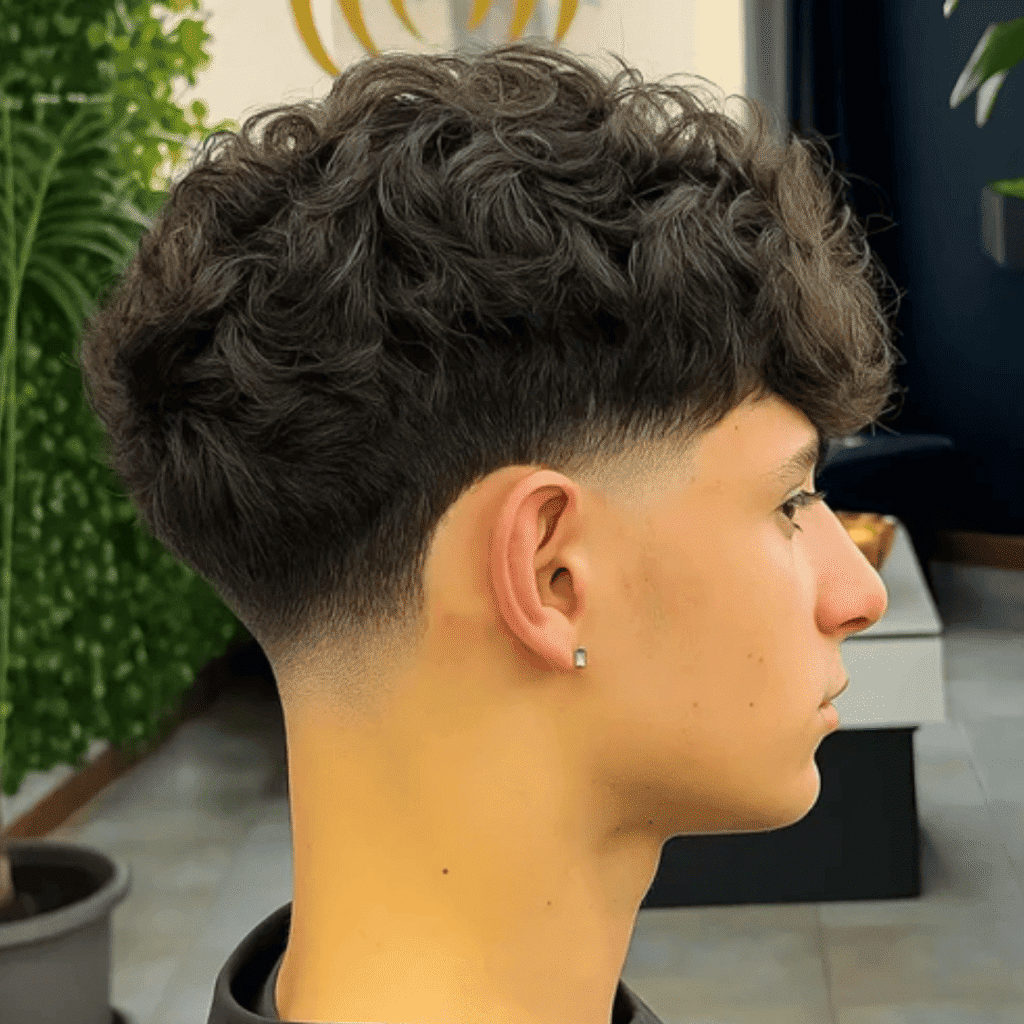
The low skin fade is defined by where the fade begins and how gradually it transitions. Starting approximately one inch above the ear, the fade drops down to skin level, creating a subtle gradient that doesn’t draw excessive attention to the sides and back.
The Anatomy of a Proper Low Fade
A well-executed low skin fade requires precision at three distinct zones. The baseline sits at skin level, typically achieved with a foil shaver or zero-gap clipper. The transition zone usually spanning about an inch to an inch and a half – is where the real artistry happens. This is where barbers employ various guard sizes (typically 0.5, 1, 1.5, and 2) to create that seamless blend. Finally, the weight line connects to your chosen top length.
What separates an average low fade from an exceptional one is the guideline work. Experienced barbers create a consistent baseline around the entire head before beginning the fade process. This ensures symmetry and prevents the common issue of uneven fading that becomes glaringly obvious as the hair grows out.
Types and Variations: Finding Your Low Fade Identity
The Classic Low Skin Fade
This is your foundational version—clean, professional, and timeless. The fade remains tight to the head with minimal flare, making it ideal for men with round or oval face shapes. I recommend this for first-timers, as it provides a conservative introduction to faded haircuts without committing to anything too bold.
Low Drop Fade
The drop variation follows the natural curve behind the ear, creating a more pronounced arc. This works exceptionally well for men with longer hair on top, as the curved fade line complements swept-back or side-parted styles. It’s particularly flattering for square and rectangular face shapes, as the curved line softens angular features.
Low Bald Fade with Texture
Combining a low skin fade with textured, choppy layers on top has become increasingly popular throughout 2026. The contrast between the sharp, clean sides and deliberately messy top creates visual interest whilst maintaining overall sophistication. This variation works brilliantly for men with thick, coarse hair that holds texture naturally.
Low Fade with Hard Part
Adding a razor-etched parting to a low skin fade elevates the entire look. The hard part creates a defined separation between the styled top and faded sides, offering a throwback aesthetic with modern execution. This works particularly well for professional environments where you want to appear put-together without looking overly styled.
Styling and Maintenance: Making Your Fade Last
A low skin fade typically looks optimal for about two weeks post-cut. By week three, you’ll notice the fade line becoming less distinct, though the overall shape remains presentable. Most of my regular clients book appointments every two to three weeks to maintain that crisp appearance.
Daily Styling Routine
The beauty of a low skin fade lies in its minimal styling requirements for the faded portion. Your focus should be on the top section. For textured looks, apply a small amount of sea salt spray or texture powder to damp hair, then rough-dry with your fingers. For sleeker styles, use a blow dryer with a vented brush to create direction, finishing with a medium-hold pomade or styling cream.
Home Maintenance Tips
Between barbershop visits, you can extend your fade’s sharpness with simple edge-up maintenance. Using a quality trimmer with a T-blade, carefully outline your hairline and clean up the neck area. However, I strongly advise against attempting to touch up the fade itself—this almost always results in removing too much hair and creating visible lines that require professional correction.
Keep your scalp moisturised, particularly in the faded areas. The constant clipping can sometimes cause dryness or irritation. A lightweight, non-greasy scalp moisturiser applied after showering helps maintain healthy skin and prevents flaking.
Common Mistakes to Avoid
Choosing the Wrong Fade Height
The most frequent error I see is men requesting a low fade when their hair type or head shape would benefit from a mid or high fade. If you have a particularly round face, a low fade can sometimes emphasise width. Similarly, men with very thick, coarse hair might find that a low fade creates excessive bulk above the ears.
Inconsistent Maintenance Schedule
Treating a low skin fade like a regular haircut—visiting every six to eight weeks—simply doesn’t work. The precision of the fade demands regular upkeep. Waiting too long between appointments means your barber essentially starts from scratch each time, rather than maintaining an existing shape.
Over-Styling the Top
With such clean sides, there’s a temptation to overcompensate with excessive product or overly elaborate styling on top. This creates an unbalanced appearance. The low fade works best when the top is styled with intention but not overdone. Think refined, not rigid.
Neglecting Communication with Your Barber
Not all low fades are created equal. The starting point, transition length, and blending technique can all be adjusted. Bringing reference photos and clearly communicating your lifestyle needs ensures your barber creates a fade that works specifically for you, rather than their interpretation of “low fade.”
Final Thoughts: Embracing Subtle Sophistication
The low skin fade’s enduring appeal lies in its ability to enhance rather than overpower. It’s a haircut that respects tradition whilst embracing modern barbering techniques. As we progress through 2026, the trend towards subtle, refined grooming continues to gain momentum, and the low skin fade sits perfectly within this movement.
Whether you’re transitioning from longer styles, seeking a professional appearance that doesn’t feel corporate, or simply wanting a low-maintenance cut that still looks intentional, the low skin fade deserves serious consideration. Its versatility across different hair types, face shapes, and personal styles makes it one of the most democratically flattering cuts available.
Remember, the success of any fade ultimately comes down to three factors: finding a skilled barber who understands the technical aspects, maintaining a consistent appointment schedule, and choosing a variation that complements your individual features and lifestyle. Get these elements right, and you’ll understand why this particular fade has transcended trend status to become a genuine classic.
FAQs
How often should I get a low skin fade trimmed?
Every 2-3 weeks is ideal for maintaining a sharp low skin fade. The fade line becomes less distinct after about two weeks, though the overall style remains presentable for three weeks. Regular appointments help your barber maintain the shape rather than recreating it each visit.
What’s the difference between a low fade and a low skin fade?
A low fade gradually reduces hair length but doesn’t necessarily go down to skin level—it might stop at a very short clipper length. A low skin fade specifically blends down to bare skin at the baseline, creating a more dramatic contrast and cleaner appearance.
Can I get a low skin fade with thinning hair?
Absolutely. A low skin fade can actually work well with thinning hair, as it draws attention to the styled top section whilst keeping the sides neat. However, avoid fades that are too tight if you have significant thinning on top, as this can create unflattering contrast.
What face shape suits a low skin fade best?
Low skin fades are remarkably versatile and work with most face shapes. They’re particularly flattering for oval and round faces. Square faces benefit from drop fade variations that soften angular features. Very long faces might benefit more from mid or high fades.
How long does my hair need to be on top for a low skin fade?
You need at least 2-3 inches on top to create enough contrast with the faded sides. However, low skin fades work with various top lengths—from short textured crops to longer swept-back styles of 5-6 inches.
Is a low skin fade professional enough for corporate environments?
Yes, the low skin fade is one of the most workplace-appropriate fade styles. Its subtle transition and lower starting point make it less dramatic than mid or high fades, whilst still maintaining a polished, contemporary appearance.
What products work best for styling a low skin fade?
This depends on your top style. For textured looks, use sea salt spray or texture powder. For sleeker styles, opt for medium-hold pomades or styling creams. Avoid heavy waxes that can look too rigid against the clean fade.
Can I do a low skin fade at home?
Whilst you can maintain edges and necklines between appointments, creating a proper low skin fade requires professional skill, specific clipper guards, and proper technique. DIY attempts usually result in uneven blending and visible lines requiring professional correction.
Will a low skin fade work with curly or afro-textured hair?
Definitely. Low skin fades work beautifully with curly and afro-textured hair. The fade creates clean definition whilst the natural texture on top provides volume and character. Many barbers specialise in fades for textured hair types.
What should I tell my barber if I want a low skin fade?
Be specific about where you want the fade to start (typically about one inch above the ear), how you style your top hair, and bring reference photos. Mention whether you want a straight or drop fade, and discuss how tight you want the blend. Clear communication ensures you both have the same vision.