
The low taper fade mullet has done something rather remarkable – it’s made a hairstyle that was once the punchline of every 1980s joke feel genuinely cool again. Walk into any decent barbershop today and you’ll hear it requested with increasing regularity, and for good reason. It strikes a balance that very few cuts manage: contemporary at the sides and front, with just enough length and drama at the back to set it apart from every other fade on the block.
This isn’t nostalgia for nostalgia’s sake, either. The modern version of this cut is a considered, well-executed style that borrows the clean precision of a low taper fade and pairs it with the intentional contrast of a longer back section. The result is a cut that feels both rebellious and refined – versatile enough for a creative professional, yet edgy enough for someone who wants their hair to say something.
In this guide, we’ll walk through everything you need to know – from understanding the technical details of the cut, to choosing the right variation for your face shape, maintaining it properly at home, and avoiding the mistakes that most blokes make when they first try it.
Contents
- What Exactly Is a Low Taper Fade Mullet?
- Why This Cut Has Caught On (and Why It Works)
- Types of Low Taper Fade Mullet: Finding Your Version
- Maintaining Your Low Taper Fade Mullet
- Common Mistakes to Avoid with This Cut
- Final Thoughts: Is the Low Taper Fade Mullet Right for You?
- FAQs
- What is the difference between a low taper fade and a high taper fade when used with a mullet?
- How long does the back need to be for a mullet to work?
- Does a low taper fade mullet suit all hair types?
- How often should I get a trim to maintain a low taper fade mullet?
- Is a mullet fade appropriate for a professional or office environment?
- What should I tell my barber to get this look?
- Can I style a low taper fade mullet without heat tools?
- What face shapes suit the low taper fade mullet best?
- Is the low taper fade mullet a trend, or is it here to stay?
- How do I grow out a low taper fade mullet if I decide I don’t want it anymore?
What Exactly Is a Low Taper Fade Mullet?
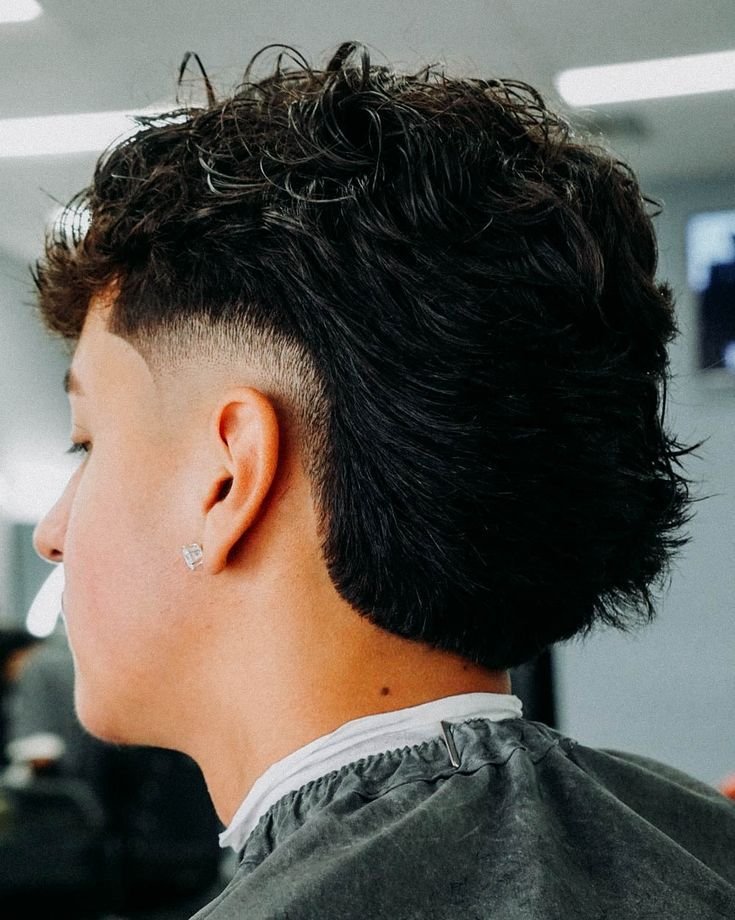
Before diving into variations and styling advice, it’s worth being precise about the terminology, because there’s a fair bit of confusion out there between different types of fades and mullet styles.
A taper fade refers to a gradual reduction in hair length from the top of the head down to the neckline and around the ears. The low in ‘low taper’ simply means the fade line starts low — typically just above the natural hairline, keeping most of the hair’s volume and weight higher up on the sides. It’s a subtle, clean fade rather than a dramatic skin fade that rides high up the head.
The mullet component means the top and sides are kept shorter (or at least tapered cleanly), while the hair at the back is left noticeably longer – creating the classic ‘business at the front, party at the back’ silhouette. In its modern interpretation, the mullet back isn’t necessarily the wild, untamed curtain of the 80s. It tends to be more controlled: textured, layered, and often styled with product for shape and definition.
Together, the low taper fade provides a crisp, polished frame, while the longer back section provides personality and contrast. If you want to understand the broader context of how a low taper fits into the wider world of men’s haircuts, the guide to low taper fade haircuts for men gives an excellent overview of how this technique sits within the full spectrum of modern men’s grooming.
Why This Cut Has Caught On (and Why It Works)
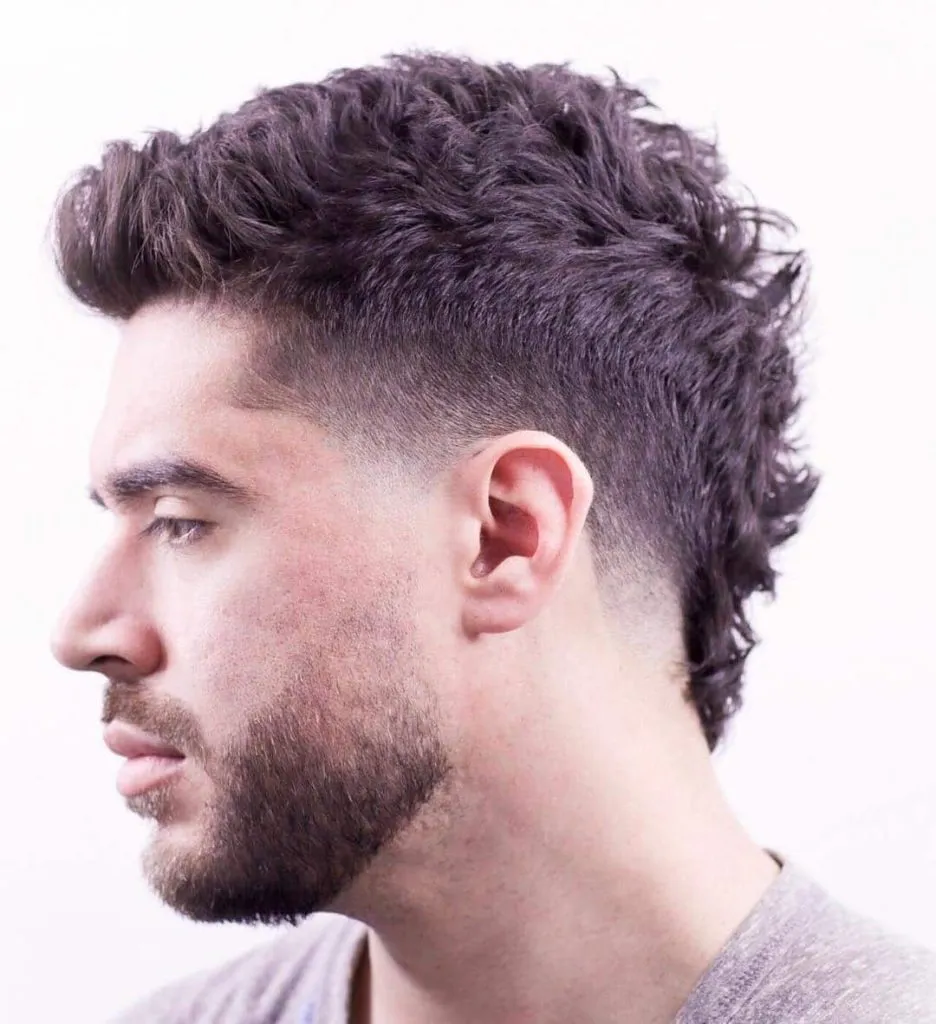
Part of what makes the low taper fade mullet so compelling right now is that it sits at an interesting intersection of counterculture and mainstream acceptability. It’s distinctive without being outrageous. That matters, because most men don’t want a haircut that requires an explanation at the office — they just want something with a bit of character.
The Low Taper Does the Heavy Lifting
The taper is what keeps this cut from sliding into the territory of ‘too much’. Because the fade begins low and stays close to the hairline, the sides look clean and intentional. There’s no harsh contrast or obvious ‘line’ on the head — just a smooth, gradual graduation that frames the face neatly. This is the technical foundation that allows the mullet length at the back to read as deliberate rather than neglected.
The Mullet Provides the Edge
The longer back gives this cut its visual interest. Depending on the client’s hair type and how much length they’re working with, this could be a subtle few centimetres of extra length or a more dramatic drop to collar length or beyond. The key is that it contrasts with the taper at the sides — that juxtaposition is where the style lives.
It Suits More Face Shapes Than You’d Think
Because the low taper keeps volume at the top and the mullet adds length vertically at the back, this cut actually works well for oval, oblong, and even round face shapes. Men with rounder faces in particular benefit from the elongating effect of the longer back section, while the clean sides prevent the cut from widening the face further.
Types of Low Taper Fade Mullet: Finding Your Version
This is not a one-size-fits-all cut. Below are the most popular interpretations you’ll encounter today, each with its own character.
The Clean Modern Mullet with Low Taper
This is the most versatile version. The top hair is worn with moderate length and styled back or to the side, the taper sits neatly around the ears and neckline, and the back falls perhaps 4–6 centimetres longer than the sides. It’s polished enough for most professional environments when well-maintained and styled. Think of it as the ‘gateway mullet’ — easy to commit to, easy to grow out if needed.
The Textured Crop Mullet
A favourite in the UK and Australia, this version pairs a textured, choppy crop on top — often with some fringe movement — with a low taper at the sides and a slightly longer, layered back. The texture throughout ties the two elements together and stops the cut from looking disconnected. It works particularly well for thicker hair types.
The Curly or Wavy Mullet Fade
Natural curl and wave patterns lend themselves beautifully to the mullet silhouette. The low taper provides definition and structure, while curly hair at the back tends to bunch up and create a voluminous, dramatic rear section even without significant length. For men with natural texture, this cut can look almost effortlessly cool with minimal styling effort. The key is to ensure your barber understands how your curls behave when dry, as wet curls can deceive.
The Skin Fade Mullet (an Adjacent Option)
While this guide focuses specifically on the low taper version, it’s worth knowing that a skin fade — where the sides go down to bare skin — is also often combined with mullet length. The contrast is more dramatic, the look more striking. Many clients try the low taper first before progressing to a higher or skin fade once they’re comfortable with the mullet silhouette.
The Mullet Undercut with Low Taper
An undercut involves shaving or cutting the hair very short underneath a longer top section. When combined with a low taper and mullet length, it creates an almost layered effect — the sides appear clean and short thanks to the undercut, the taper blends everything in smoothly, and the back carries the length. This variation tends to suit men who want a more fashion-forward, editorial look.
Maintaining Your Low Taper Fade Mullet
A well-executed low taper fade mullet will look sharp for roughly three to four weeks before the taper begins to lose definition. Here’s how to keep it looking its best between barbershop visits.
Barbershop Visits: How Often?
The fade portion needs the most regular attention. Every three to four weeks is the sweet spot for most men to maintain the crispness of the taper. If you’re growing out the back section intentionally, you might ask your barber to simply tidy the fade and shape up the back perimeter without taking length off. Good communication at each visit is key — be clear about what you want trimmed and what you want left alone.
At-Home Styling Products
The right product makes an enormous difference with this cut. Here’s a quick breakdown by hair type:
- Fine or straight hair: A lightweight pomade or sea salt spray adds texture and volume without weighing the hair down. Apply to slightly damp hair for best results.
- Thick or coarse hair: A medium-hold clay or matte paste gives control and definition without looking greasy. Work it through the back section to separate layers.
- Curly or wavy hair: A curl cream or light mousse applied to towel-dried hair will enhance natural texture and reduce frizz. Scrunch the product in rather than combing it through.
Washing and Conditioning
With a mullet, the back section is longer and therefore more prone to dryness and split ends if neglected. Wash two to three times per week with a sulphate-free shampoo, and use a conditioner specifically on the longer back section. If your hair is particularly dry or you’re exposing it to heat styling, a weekly deep conditioning treatment is worth the extra few minutes.
Common Mistakes to Avoid with This Cut
Even a great haircut can go wrong if you don’t know what pitfalls to watch out for. These are the most common errors I see in the barbershop and hear about from clients who’ve had disappointing results elsewhere.
Not Being Specific Enough with Your Barber
Asking for ‘a mullet fade’ gives your barber relatively little to work with. Bring a reference photo that shows both the length of the back section you’re after and the style of taper you want. Be clear about whether you want a skin fade, a low taper, or something in between. The more specific you can be, the better the outcome.
Going Too Short on the Back Too Soon
Many men underestimate how much length is needed at the back to make the mullet silhouette convincing. If you’re starting from a short all-over cut, you’ll need to grow the back section out before the shape becomes apparent. Patience is part of the process. Asking your barber to take too much off in the early stages can leave you with something that simply looks unfinished rather than intentional.
Neglecting the Back Section Between Visits
The back of this cut is the focal point. If you’re not conditioning it, protecting it from heat, and styling it with care, it will start to look scraggly and unkempt — which is precisely what gives mullets a bad reputation. Treat the longer back with the same attention you’d give to a medium-length hairstyle.
Choosing the Wrong Variation for Your Hair Type
Not every version of this cut works for every hair type. Very fine, limp hair can struggle to hold the shape of a longer back section without product support. Very thick hair might need more careful layering to avoid the back becoming an unmanageable wedge. Always discuss your natural hair texture and growth patterns with your barber before committing to a specific version.
Letting the Taper Grow Out Without a Tidy-Up
A low taper that’s grown out no longer looks like a low taper — it just looks like untrimmed sides. Once the fade loses definition, the whole cut loses its structure. Even if you’re growing the back longer, keep the taper maintained with regular visits to the barber.
Final Thoughts: Is the Low Taper Fade Mullet Right for You?
The low taper fade mullet rewards commitment and attention. It’s not a ‘set and forget’ haircut — the taper needs maintenance, the back needs care, and the styling requires a little effort each morning. But for men who are willing to put in that effort, it’s one of the most distinctive and personality-driven cuts available right now.
It suits men who want to look sharp without conforming to the standard short-back-and-sides formula. It works across age groups — younger men gravitate towards the more dramatic, textured versions, while those who want something subtler can opt for a conservative low taper with just a hint of extra length at the back.
If you’re still exploring your options and wondering how the low taper fade compares to other popular men’s cuts, the comprehensive guide to low taper fade haircuts for men is an excellent resource for understanding the full range of styles this technique can support.
Ultimately, the best haircut is the one you’ll look after and feel confident wearing. If you’re drawn to a cut that’s a bit unconventional, well-executed, and genuinely stylish — the low taper fade mullet deserves serious consideration.
FAQs
What is the difference between a low taper fade and a high taper fade when used with a mullet?
A low taper fade starts close to the natural hairline — typically just above the ear and neckline — and creates a subtle, gradual blend. A high taper begins further up the head, producing a more dramatic contrast. With a mullet, the low taper gives a cleaner, more polished result, while a high taper creates a bolder, more striking silhouette. Most men trying the look for the first time tend to start with a low taper, as it’s easier to live with day-to-day.
How long does the back need to be for a mullet to work?
There’s no fixed rule, but most barbers consider anything from 3 centimetres of extra length at the back (compared to the sides) to be a mullet shape. For the contrast to read clearly, aim for at least 4–6 centimetres of additional length. Men who want a more dramatic statement sometimes let the back grow to collar length or beyond.
Does a low taper fade mullet suit all hair types?
Yes, though the best variation will differ by texture. Straight hair suits a clean, layered version; thick hair benefits from careful thinning and layering at the back; wavy and curly hair often looks particularly impressive with this cut because the natural texture enhances the back section’s volume and shape. The key is discussing your specific hair type with your barber so they can adjust the cut accordingly.
How often should I get a trim to maintain a low taper fade mullet?
The taper fade needs the most frequent attention — typically every three to four weeks to stay sharp. If you’re growing the back out intentionally, you can ask your barber to maintain the fade without taking length off the back. The back section itself will generally only need shaping every six to eight weeks, depending on your growth rate.
Is a mullet fade appropriate for a professional or office environment?
It depends on how conservative your workplace is. A subtle low taper fade mullet — with a modest amount of back length and a well-groomed, styled finish — is perfectly acceptable in most modern workplaces, including creative industries and less formal office environments. Very long or dramatic back sections may attract more comment in traditionally conservative settings, but the clean, tapered sides tend to project enough neatness to make the overall look work professionally.
What should I tell my barber to get this look?
Always bring a reference photo — it removes ambiguity. Alongside the photo, tell your barber: how much length you want at the back (in centimetres or by pointing to a reference point on your neck), that you want a low taper (not a skin fade or high fade) at the sides, and how you want the top styled. The more specific you are, the more predictable and satisfying the result will be.
Can I style a low taper fade mullet without heat tools?
Absolutely. In fact, many men prefer to avoid heat tools entirely to protect the back section from damage. A good quality texturising spray, matte clay, or curl cream applied to towel-dried hair can achieve excellent results without a hairdryer or straightener. If you do use heat, always apply a heat protectant to the longer back section first.
What face shapes suit the low taper fade mullet best?
Oval faces are well-suited to almost any hairstyle, and the low taper fade mullet is no exception. Oblong and rectangular faces benefit from the width the taper adds at the sides. Round faces benefit from the elongating effect of the longer back section. Square faces can work well, though barbers often recommend softening the top slightly to balance the strong jaw. The cut is more universally flattering than many people assume.
Is the low taper fade mullet a trend, or is it here to stay?
The mullet itself has been in and out of fashion since at least the 1970s, so it would be difficult to call it simply a trend. The modern version — particularly when paired with a clean low taper fade — feels like a matured, elevated interpretation of an enduring silhouette rather than a passing fad. As long as men want something with personality and visual interest, some version of this cut will likely remain relevant.
How do I grow out a low taper fade mullet if I decide I don’t want it anymore?
Growing it out is relatively straightforward. Ask your barber to gradually reduce the length contrast between the back and sides on each visit, rather than trying to match everything in one go. Over two or three appointments, the back length can be reduced and the sides grown out slightly until the cut transitions naturally into a medium-length all-over style or whatever direction you want to take it next.