
Low taper fade messy hair is one of those combinations that looks deceptively casual – like you rolled out of bed, ran a hand through your hair, and accidentally looked brilliant. The truth, as any good barber will tell you, is that there’s genuine craft behind that “undone” finish. Getting it right means understanding how the structure of the fade interacts with texture on top, and knowing which techniques and products will give you that lived-in look without tipping into unkempt territory.
This guide covers everything you need to know: the different styles available, how to communicate what you want to your barber, how to maintain the cut at home, and the most common mistakes men make when attempting this look.
Contents
- What Exactly Is a Low Taper Fade Messy Hair Style?
- Why the Low Taper Works So Well With Messy Texture
- Types of Low Taper Fade Messy Hair Styles
- How to Talk to Your Barber
- Maintenance: Keeping the Look Sharp Between Cuts
- Common Mistakes to Avoid
- Final Thought
- FAQs
- What is a low taper fade messy hair style?
- Does messy hair work with a low taper fade on all hair types?
- How often should I get a low taper fade cut?
- What products are best for styling messy hair on a low taper fade?
- Can I style a low taper fade messy look without any product?
- What’s the difference between a low taper fade and a low skin fade?
- Is the low taper fade messy hair style suitable for older men?
- How do I stop my messy hairstyle from looking unkempt rather than intentional?
- Can I get a low taper fade with messy hair if I have a receding hairline?
- What should I say to my barber to get this look?
What Exactly Is a Low Taper Fade Messy Hair Style?
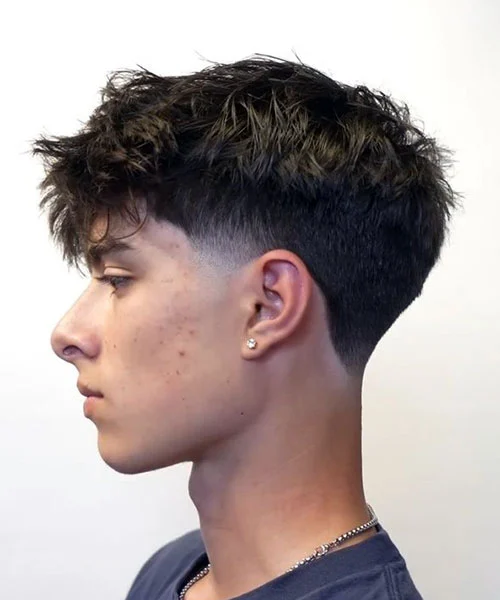
Before diving into the variations, it helps to understand what we’re working with. A low taper fade refers to a gradual blending of the hair along the sides and back, with the fade line sitting low – close to the natural hairline, typically just above the ear and at the nape of the neck. This keeps the sides relatively full compared to a mid or high fade, while still providing that clean, sharp transition from skin or close-cropped hair into the longer lengths.
When you pair that with messy hair on top – think textured quiffs, tousled crops, or deliberately dishevelled waves — you get a style that bridges the gap between polished and relaxed. It’s structured where it counts and free-spirited everywhere else.
If you’re exploring the full range of what a low taper can look like, this comprehensive guide to low taper fade haircuts for men is worth a read before booking your appointment.
Why the Low Taper Works So Well With Messy Texture
The reason this pairing has become such a staple in barbershops is largely about visual contrast and balance. A tighter, higher fade with messy hair can sometimes look unfinished — the disconnect between the clean sides and the chaotic top can feel jarring rather than intentional. The low taper avoids this by keeping the contrast more gradual and subtle.
Because the fade doesn’t cut aggressively into the sides, there’s more hair left to blend upward. This creates a continuous, flowing silhouette that actually suits textured or messy styling on top. The messiness reads as deliberate, framed by the clean fade line beneath it.
From a practical standpoint, the low taper is also more forgiving as the hair grows out. The softness of the fade means you can go a few extra weeks between cuts without looking overgrown, which is ideal if you’re not someone who visits the barber every two or three weeks like clockwork.
Types of Low Taper Fade Messy Hair Styles
1. The Textured Crop With Low Taper
One of the most popular versions, the textured crop sits shorter on top — usually two to three inches — with the fringe pushed forward or to the side and the surface deliberately disrupted with a texture paste or clay. The low taper underneath keeps it grounded. This works exceptionally well for men with naturally thick or coarse hair, as the barber can use texturising scissors to remove bulk and create separation within the strands.
2. The Messy Quiff With Low Taper Fade
The quiff has never really gone away, and when combined with a low taper and a relaxed, undone finish, it sits firmly in the modern era rather than looking retro. The key here is volume and movement at the front, styled upward but allowed to fall naturally rather than being rigidly set. A light-hold pomade or a matte clay works far better than gel for this look — you want movement, not helmet hair.
3. Tousled Waves With Low Taper
If you have naturally wavy or loosely curly hair, this is arguably the easiest version of the look to pull off. The waves provide natural texture without requiring much product or styling effort. The barber’s job is to cut the sides with the low taper and leave enough length on top to let those waves sit freely. A small amount of curl cream or sea salt spray is usually all that’s needed at home.
4. The French Crop Variation
Similar to the textured crop, but with a more defined fringe that cuts horizontally across the forehead. The top is kept flat rather than voluminous, and the texture is concentrated at the fringe line. This is a sharp, modern option for men who prefer minimal styling time — once the cut is right, you can literally just muss it with your fingers and walk out the door.
5. Long Messy Top With Low Taper
For those who prefer more length, the low taper also works with hair that’s four or more inches on top. Think of the sort of hair you’d see on a surfer or someone who just hasn’t quite decided whether they’re growing it out — except it’s intentionally styled that way. The sides stay clean and tapered while the top has genuine length and movement. Salt spray and a diffuser work well here, or simply air-drying after a rough towel scrunch.
How to Talk to Your Barber
This is where a lot of men go wrong. Saying “a messy fade” to a barber is about as helpful as saying “a food dish” to a chef. The more specific you can be, the better your result.
When you sit down, try to communicate:
- Where you want the fade to start. Low means at or just above the natural hairline, near the ear.
- How short you want the sides. A low taper can leave the sides fairly full or blend down to almost skin — specify whether you want skin, a grade one, or a grade two at the shortest point.
- The length on top. Give a rough measurement in inches or ask to keep it close to the current length.
- The texture you’re after. “Textured and undone” means something different to every barber. Bring a reference photo — there’s no shame in it, and any skilled barber will appreciate the clarity.
A good barber will also ask about your hair type, how much time you spend styling in the morning, and what products you already use. If yours doesn’t ask, volunteer the information anyway.
Maintenance: Keeping the Look Sharp Between Cuts
One of the advantages of the low taper fade messy hair style is that it’s relatively low maintenance compared to more structured looks. That said, there are a few things worth knowing.
Haircuts: Plan for a trim every four to six weeks at minimum. The fade itself will lose its sharpness after about three weeks as the hair grows out, though the low placement means it’s less noticeable than a high fade would be.
Washing: Don’t over-wash. For most hair types, washing every two to three days maintains natural oils that actually help with the textured, matte finish this style relies on. Over-washing can strip the hair and make it look dry and stiff.
Products: Keep it simple. A medium-hold matte clay or texture paste is the workhorse product for this look. Apply to slightly damp or dry hair, work through with fingers rather than a comb, and scrunch or tousle to build texture. Avoid products with high shine — they work against the casual, effortless finish.
Sleeping on it: Here’s a tip most people don’t hear until they’ve had a good barber tell them – sometimes the best version of this style is the morning-after version. If you’ve applied product the night before and woken up with the hair slightly shifted and settled, you’re often closer to the look than if you’d freshly styled it. Learn to work with that rather than against it.
Common Mistakes to Avoid
Going too short on the sides. Men sometimes ask for a skin fade when they actually want a low taper, then end up with aggressive contrast that undermines the relaxed look they were going for. Know the difference before you sit in the chair.
Using the wrong products. Gel and wax will often make messy hair look either crunchy or greasy. Stick to matte, flexible-hold products.
Over-styling. The more you fuss with it, the more it looks styled. Put the product in, work it through once, and leave it. Resist the mirror.
Neglecting the neckline. A messy top doesn’t mean a ragged neckline. Ask your barber to keep the neckline clean, even if everything above it is textured and relaxed.
Choosing the wrong cut for your face shape. A textured crop sits very differently on a round face versus an oval face. Your barber should be guiding you here, but it’s worth knowing that volume on top tends to elongate rounder face shapes, while a flatter crop can balance longer face shapes.
Final Thought
The low taper fade messy hair look is one of the most versatile, wearable styles in modern men’s grooming — but it rewards understanding. Get the fade placement right, choose a top style that suits your hair type, use the right products sparingly, and you’ll have a cut that looks intentional without looking like you tried too hard. That’s really the whole point.
For more inspiration and variations on this look, explore the full low taper fade haircuts guide — it covers everything from subtle tapers to more dramatic fades and will help you narrow down exactly what you want before your next appointment.
FAQs
What is a low taper fade messy hair style?
It’s a haircut that combines a gradual fade blended low on the sides — near the natural hairline — with deliberately textured or tousled hair on top. The result looks relaxed and effortless while still being structurally well-groomed.
Does messy hair work with a low taper fade on all hair types?
Yes, though the approach varies. Thick hair benefits from texturising cuts that remove bulk. Wavy or curly hair works naturally with the style using minimal product. Fine hair may need a bit more product to build visible texture and volume.
How often should I get a low taper fade cut?
Every four to six weeks is a reasonable schedule for most men. The low fade loses its crispness more slowly than a high fade, so you have a slightly longer window before it looks overgrown.
What products are best for styling messy hair on a low taper fade?
Matte clay, texture paste, or a light-hold pomade all work well. They provide enough hold to shape the hair without weighing it down or adding unwanted shine. Sea salt spray is useful if you have natural wave or want a more undone, beachy finish.
Can I style a low taper fade messy look without any product?
Technically, yes — especially if your hair has natural texture or wave. However, a small amount of product usually helps the style last through the day and look deliberate rather than just windswept.
What’s the difference between a low taper fade and a low skin fade?
A low taper fade blends gradually from longer to shorter but doesn’t necessarily reach skin level. A low skin fade takes the hair right down to the skin at the lowest point, creating a sharper contrast. For messy textured styles, the taper often gives a softer, more relaxed result.
Is the low taper fade messy hair style suitable for older men?
Absolutely. The low taper is less severe than higher fades and the textured top gives a relaxed, contemporary look that suits a wide age range. It can actually add a youthful, effortless quality without looking like you’re trying too hard.
How do I stop my messy hairstyle from looking unkempt rather than intentional?
The fade line is what makes the difference. A clean, well-executed low taper tells the viewer that the messiness on top is a choice, not neglect. Keep the neckline tidy and use a decent product — those two things alone elevate the look significantly.
Can I get a low taper fade with messy hair if I have a receding hairline?
Yes, and it can actually be a flattering option. A low taper draws less attention to the hairline than a high fade, and texture on top creates volume that can visually offset areas of recession. Speak to your barber honestly — they’ll know the best approach for your specific hair pattern.
What should I say to my barber to get this look?
Ask for a “low taper fade” and specify the shortest length at the fade point (skin, grade one, or grade two). For the top, bring a reference photo and describe the texture as “natural, undone, and matte.” Mention your hair type and how much time you typically spend styling —-a good barber will tailor the cut to your lifestyle.