
The high skin fade: bold cuts that turn heads isn’t just barbershop hyperbole—it’s an accurate description of one of the most striking haircuts you can get. I’ve been cutting hair for over a decade, and I can tell you that nothing commands attention quite like a properly executed high skin fade. The dramatic contrast between bare skin at the sides and substantial length on top creates a visual impact that’s impossible to ignore.
What makes this particular fade so compelling is its uncompromising nature. Unlike lower fades that offer subtlety, the high skin fade makes a statement. It’s the haircut equivalent of walking into a room with confidence bold, deliberate, and undeniably modern. But achieving that head-turning effect requires more than just clippers and hope. It demands precision, understanding of head shape, and a barber who knows what they’re doing.
Contents
- High Skin Fade
- Understanding the High Skin Fade
- Popular High Skin Fade Variations
- Face Shape Considerations
- Styling Your High Skin Fade
- Maintenance Between Appointments
- Common Mistakes to Avoid
- Professional Perspective: What Barbers Know
- Final Thoughts
- FAQs
- How often should I get a high skin fade cut?
- Will a high skin fade suit my receding hairline?
- Can I do a high skin fade at home?
- What’s the difference between a high skin fade and a high bald fade?
- Does a high skin fade work with curly hair?
- Will I get razor burn from the skin fade portion?
- How much should I pay for a high skin fade?
- Can I style a high skin fade in different ways?
- What products work best for styling a high skin fade?
- How do I maintain the skin portion between cuts?
High Skin Fade
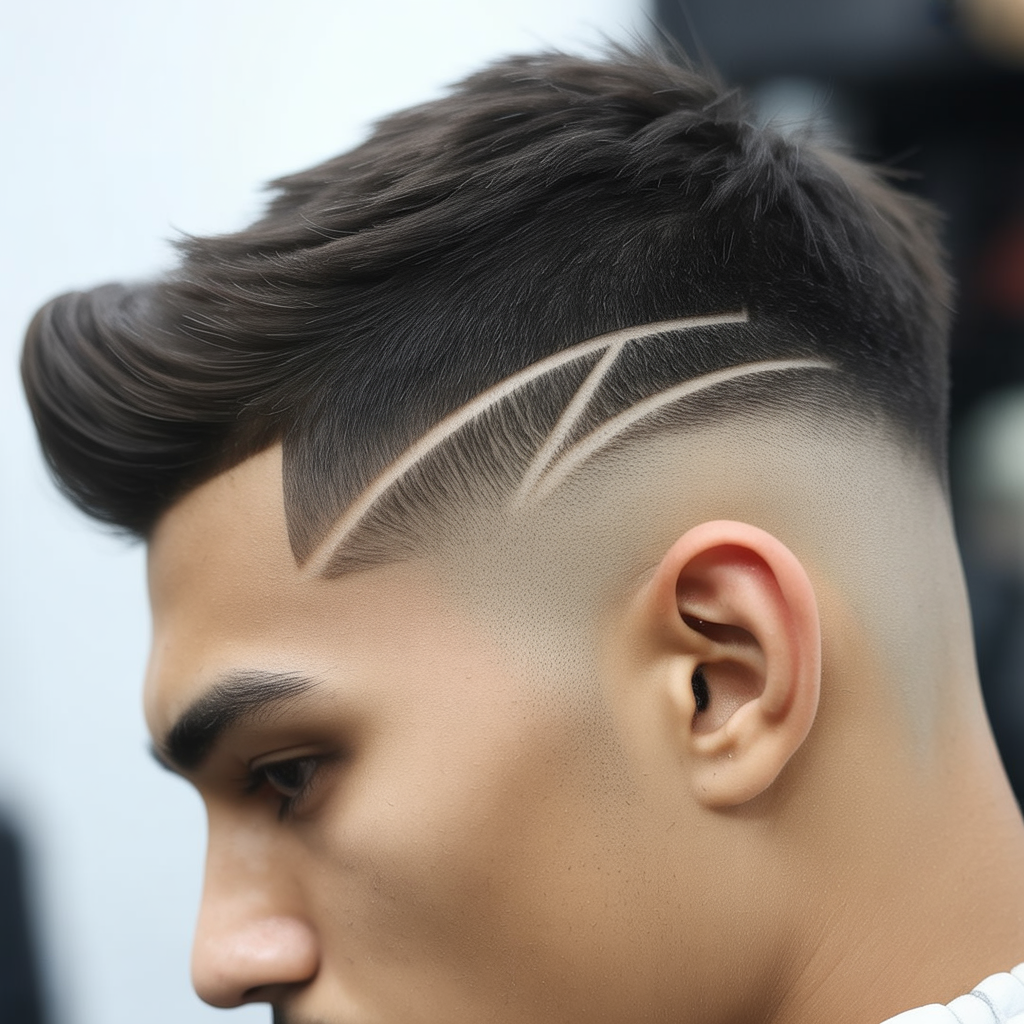
This comprehensive guide draws on years of hands-on experience to help you understand everything about high skin fades from choosing the right variation to maintaining that crisp look between appointments. For those wanting to explore the full spectrum of fade options, our complete skin fade haircuts guide covers every style and technique in depth.
Understanding the High Skin Fade
A high skin fade starts approximately two inches above the ear, sometimes higher depending on head shape and desired effect. The fade transitions from bare skin to your chosen length on top, typically within one to two inches of vertical space. This creates that signature sharp gradient that defines the style.
The “skin” component means we’re taking the sides down to the scalp—no guard, just blade on skin. This level of closeness requires skill to execute without irritation or unevenness. The “high” placement means the fade begins well above the temple, creating maximum contrast and visual drama.
Why the High Placement Matters
Starting the fade higher serves several purposes beyond aesthetics. It elongates the appearance of the face, which particularly benefits those with rounder face shapes. The increased contrast also makes the top section appear fuller and more voluminous, even if your hair density is moderate.
From a practical standpoint, high fades work exceptionally well in professional environments that appreciate modern grooming. They’re sharp without being extreme, contemporary without venturing into novelty territory.
Popular High Skin Fade Variations
The Classic High Skin Fade
This is your foundation clean sides with a traditional taper technique, transitioning to 2-4 inches on top. The hair on top typically stays natural in texture, allowing for versatile styling. It’s the variation I recommend to clients trying a high fade for the first time because it offers impact without requiring complete commitment to a specific top style.
High Skin Fade with Textured Crop
Pairing a high skin fade with a textured crop creates one of the most requested combinations in modern barbering. The crop sits forward with choppy, piece-y texture on top, usually between 1-2 inches in length. This works brilliantly for men with straight to wavy hair who want a low-maintenance yet stylish option.
High Skin Fade with Pompadour
For maximum height and drama, the pompadour sits perfectly atop a high skin fade. This combination requires commitment—you’ll need 3-5 inches of length on top and daily styling. But the result is undeniably striking. The fade accentuates the pompadour’s volume, making it appear even more impressive.
High Skin Fade with Quiff
Similar to the pompadour but with more forward movement, the quiff offers a slightly more relaxed alternative. It requires less length (2-4 inches typically suffices) and can be styled with varying degrees of formality depending on the occasion.
High Skin Fade with Hard Part
Adding a hard part—a shaved line creating a defined parting amplifies the precision aesthetic of a high skin fade. This variation suits those who appreciate sharp, geometric grooming. The hard part should align naturally with where your hair wants to part, not fight against the grain.
Face Shape Considerations
Not every face shape wears a high skin fade equally well, though most can pull it off with the right adjustments.
Oval faces are the Swiss Army knife of face shapes—high skin fades work brilliantly without modification.
Round faces benefit most from high fades because the vertical emphasis creates the illusion of length, counterbalancing width.
Square faces should ensure the top has enough volume to avoid creating a boxy appearance. Adding height through styling helps maintain proportion.
Long or rectangular faces need to be cautious. Too much height on top combined with very short sides can overemphasise length. Consider slightly more length on the sides or less dramatic height on top.
Heart-shaped faces work well with high fades, particularly when the top is styled with some width to balance the narrower chin.
Styling Your High Skin Fade
The beauty of a high skin fade lies partly in its versatility. Here’s what I’ve learned works best:
For textured, natural looks: Apply a small amount of sea salt spray or texture powder to damp hair. Work through with fingers, then either air dry or use a diffuser. This creates that effortlessly messy appearance that’s deceptively difficult to achieve.
For sleek, polished styles: Start with a blow dryer and round brush, directing hair in your desired direction. Apply pomade or styling cream to dry hair, using a comb for precision. This suits pompadours, quiffs, and slicked-back styles.
For modern, matte finishes: Clay or paste products offer hold without shine. They’re particularly effective for textured crops and forward-styled looks. Apply to damp hair for easier distribution and stronger hold.
Maintenance Between Appointments
This is where many men struggle with high skin fades. The reality is harsh: these cuts grow out noticeably faster than lower fades.
Week One: Your fade looks perfect. Enjoy it.
Week Two: Still sharp, perhaps even better as any initial redness has settled and the blend has slightly softened.
Week Three: The fade line becomes visible. It’s still acceptable, but the crispness is diminishing.
Week Four: For most men, this is the limit. The contrast has faded, and the cut needs refreshing.
I typically recommend appointments every 2-3 weeks to maintain that head-turning sharpness. Some barbers offer “fade maintenance” services at reduced prices—essentially tidying the sides whilst leaving the top length alone.
Between cuts, maintain the top with quality shampoo and conditioner. Avoid over-washing, which strips natural oils and makes styling more difficult. 2-3 times weekly is usually sufficient unless you have particularly oily hair or use heavy products.
Common Mistakes to Avoid
Starting Too High
Some clients request the fade to begin at the temple or higher, thinking more is better. This rarely looks good and can create an unbalanced appearance, particularly if the top lacks sufficient length or density.
Neglecting Scalp Care
Bare skin requires attention. Use a gentle exfoliating scrub weekly to prevent ingrown hairs and keep the skin healthy. Moisturise if you experience dryness, but avoid heavy products that might cause breakouts.
Inconsistent Styling
A high skin fade draws attention to the top section. Inconsistent styling—switching between slicked back one day and messy the next without committing to either—can look indecisive rather than versatile.
Choosing the Wrong Barber
Not all barbers excel at skin fades. The technique requires specific skills and experience. Don’t be afraid to ask to see examples of their fade work before committing. A poorly executed high skin fade is worse than no fade at all.
Ignoring Hair Type
Your natural hair texture dictates which top styles will work. Fine, straight hair struggles with voluminous pompadours. Coarse, curly hair resists sleek, slicked-back styles. Work with your hair’s natural characteristics, not against them.
Professional Perspective: What Barbers Know
After thousands of high skin fades, I’ve noticed patterns. Men who receive the most compliments share certain approaches:
They’re consistent with appointments. A high skin fade is a commitment to regular maintenance.
They invest in proper styling products. The contrast of a high fade demands that the top looks intentional, not neglected.
They communicate clearly with their barber. Bringing reference photos and discussing lifestyle needs ensures the cut works in real life, not just in theory.
They understand their hair. Knowing whether you have thick, thin, straight, wavy, or curly hair helps you choose compatible top styles.
Final Thoughts
The high skin fade: bold cuts that turn heads delivers exactly what it promises—a striking, modern haircut that commands attention. It’s not a style for those seeking subtlety or minimal maintenance, but for men willing to invest in their appearance, the payoff is substantial.
Success with a high skin fade comes down to three elements: finding a skilled barber, choosing a top style that suits your hair type and face shape, and committing to regular maintenance. Get these right, and you’ll understand why this particular fade variation has become a modern grooming staple.
The cut’s boldness isn’t just about aesthetics—it signals that you take grooming seriously and aren’t afraid of styles that require effort. In a world where first impressions matter, that’s a powerful statement to make.
FAQs
How often should I get a high skin fade cut?
Every 2-3 weeks for optimal sharpness. The high placement means regrowth is more visible than with lower fades. Some men stretch to 4 weeks, but the crisp appearance diminishes significantly.
Will a high skin fade suit my receding hairline?
Often, yes. The contrast can actually disguise a receding hairline by drawing attention to the fade itself rather than the hairline. Discuss specific concerns with your barber for personalised advice.
Can I do a high skin fade at home?
Not recommended. The precision required for a proper skin fade, particularly a high one, demands professional training and tools. Home attempts usually result in uneven blends and visible lines.
What’s the difference between a high skin fade and a high bald fade?
They’re the same thing. “Skin fade” and “bald fade” are interchangeable terms—both describe fading down to bare skin with no guard.
Does a high skin fade work with curly hair?
Absolutely. High skin fades look exceptional with curly hair on top. The contrast between the clean sides and textured curls creates a particularly striking effect.
Will I get razor burn from the skin fade portion?
Properly executed fades shouldn’t cause significant irritation. However, some initial redness is normal, especially on your first fade. This typically subsides within hours. Use a gentle moisturiser if needed.
How much should I pay for a high skin fade?
Prices vary by location and barber expertise, but expect £25-45 in most UK cities. Experienced barbers specialising in fades may charge more, which is often justified by superior results.
Can I style a high skin fade in different ways?
Yes, the versatility is one of its strengths. The same high skin fade base works with slicked-back, textured, messy, or structured top styles—you’re only limited by your hair’s length and texture.
What products work best for styling a high skin fade?
This depends on your desired finish. Pomades for shine and slick styles, clays for matte texture, sea salt sprays for natural looks, and strong-hold gels for structured styles. Quality matters more than quantity.
How do I maintain the skin portion between cuts?
Keep the area clean with regular shampooing, exfoliate weekly to prevent ingrown hairs, and moisturise if you experience dryness. Avoid picking at any minor irritation, which can cause scarring.