
The high skin fade has evolved from a niche barbershop request to one of the most commanding hairstyles in men’s grooming. This dramatic cut where hair gradually disappears into skin starting well above the temples creates a striking contrast that’s impossible to ignore. Whether you’re stepping into a boardroom or a night out, the high skin fade makes an unmistakable statement about precision, confidence, and style awareness.
Contents
- Why the High Skin Fade Commands Attention
- Face Shapes and the High Fade Advantage
- Popular High Skin Fade Variations
- Maintenance: The Reality Behind the Look
- The Professional Perspective: When High Fades Work Best
- Cost Considerations and Value Assessment
- Styling Products That Actually Deliver
- Beyond the Barbershop: Cultural Significance
- Making the Decision: Is a High Skin Fade Right for You?
- FAQs
- How often do I need to get a high skin fade touched up?
- What’s the difference between a high skin fade and a high taper fade?
- Can I get a high skin fade if I have thinning hair on top?
- How long does my hair need to be on top for a high skin fade?
- Is a high skin fade appropriate for professional environments?
- What face shapes look best with a high skin fade?
- Can I do a high skin fade at home?
- What products work best for styling a high skin fade?
- Will a high skin fade work with my curly or textured hair?
Why the High Skin Fade Commands Attention
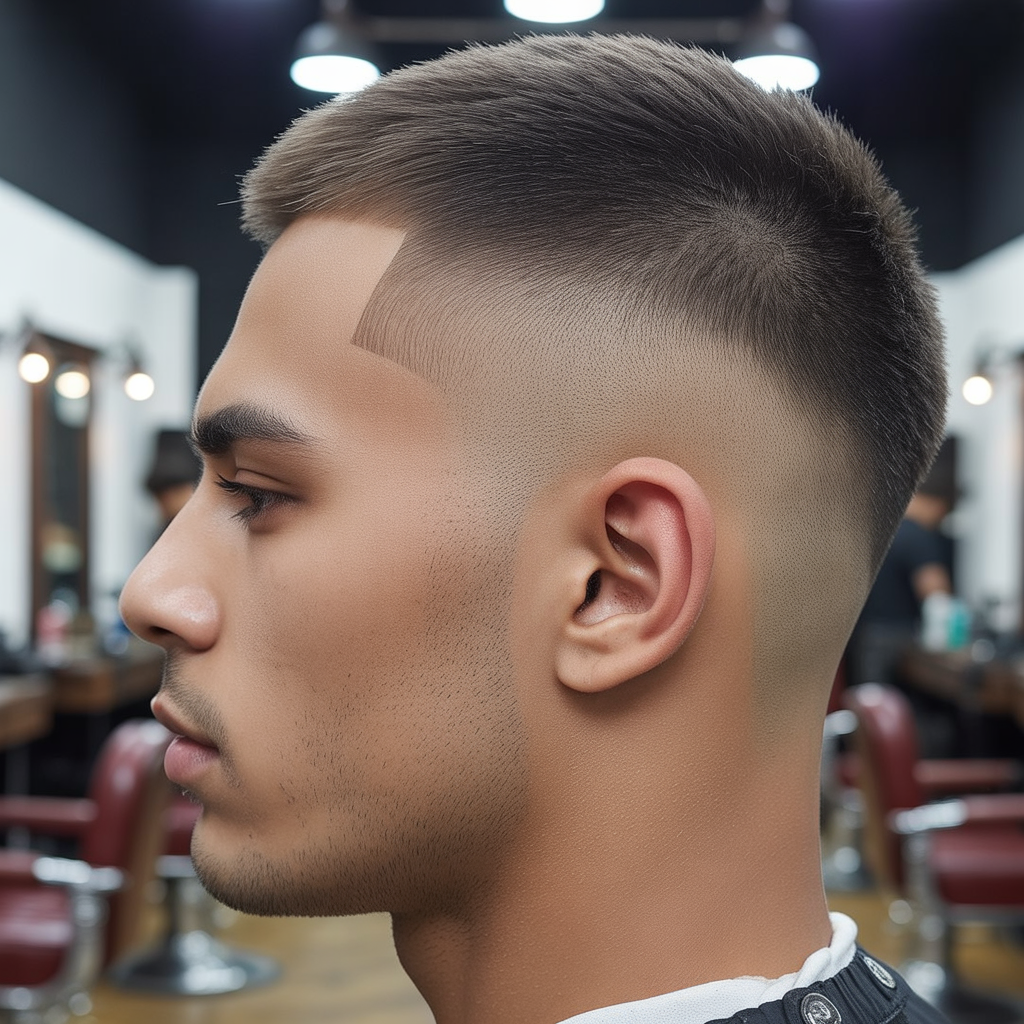
Unlike mid or low fades that offer subtlety, the high skin fade is intentionally bold. The transition zone sits approximately two inches above the ear, creating maximum contrast between the longer top and the bare sides. This isn’t just about aesthetics it’s about making a deliberate choice that reflects personality and grooming standards.
“The high skin fade is for clients who understand that their haircut is part of their personal brand,” explains Marcus Rivera, a master barber with 15 years of experience at Brooklyn’s renowned Razor & Blade Collective. “It requires confidence because everyone will notice it. That’s exactly the point.”
The technical execution demands exceptional skill. Barbers typically use multiple clipper guards often starting with a #3 or #4 on top of the fade line and working down to bare skin using #1, #0.5, and finally bladework. The gradient must be seamless, with no visible lines between lengths. This precision is what separates an adequate fade from an exceptional one.
Face Shapes and the High Fade Advantage
Not every haircut flatters every face, but the high skin fade offers surprising versatility when paired correctly with top styling. Understanding your face shape transforms this cut from trendy to truly transformative.
Oval faces benefit from nearly any high fade variation. The balanced proportions allow for experimentation with top length and texture without disrupting facial harmony.
Round faces gain definition from the vertical emphasis a high fade creates. The dramatic sides draw the eye upward, creating the illusion of length. Pairing this with added height on top through a pompadour or textured quiff—further elongates the appearance.
Square and rectangular faces should consider softening the angular fade line slightly or incorporating texture on top rather than slicked-back styles, which can emphasize the face’s width.
Heart-shaped faces work exceptionally well with high fades. The wider forehead balances naturally with the volume on top, while the tapered sides complement a narrower chin.
Dr. Jennifer Walsh, a trichologist who consults with premier Los Angeles salons, notes: “From a hair health perspective, the high fade can actually benefit men experiencing early thinning at the temples. By removing hair from areas where recession might be noticeable, you redirect attention to the fuller top section.”
Popular High Skin Fade Variations
The foundation remains consistent, but the styling on top creates distinct personalities for this cut.
High Fade Pompadour
The High Fade Pompadour combines vintage elegance with modern edge. Hair is swept back and upward, creating dramatic height that contrasts beautifully with bare sides. This works best with 4-6 inches of length on top and requires quality pomade for hold.
Textured Crop High Fade
Textured Crop High Fade appeals to those seeking lower maintenance. The top is cut to 2-3 inches with choppy, piece-y texture. A matte clay provides definition without appearing overly styled—perfect for casual professional environments.
High Fade with Hard Part
High Fade with Hard Part adds architectural precision. A shaved line creates a defined parting, emphasizing the geometric nature of the cut. This variation particularly suits men with thick, straight hair.
Curly Top High Fade
Curly Top High Fade celebrates natural texture. The tight sides create a “halo effect” that showcases curls while keeping the overall look structured. This requires a skilled barber who understands curl patterns and proper cutting techniques for textured hair.
Slick Back High Fade
Slick Back High Fade channels timeless sophistication. Hair is combed straight back, revealing the full impact of the high fade line. This demands commitment to daily styling but delivers unmatched polish.
Maintenance: The Reality Behind the Look
The high skin fade’s precision is both its greatest asset and its primary maintenance consideration. Unlike longer styles that can go weeks between cuts, this fade demands attention.
“I tell my clients to expect barbershop visits every 10-14 days maximum,” says Rivera. “After two weeks, that crisp fade line starts migrating downward as hair grows. By three weeks, you’ve lost the high fade entirely—it’s become a mid fade that’s growing out.”
Between appointments, several practices preserve the look:
Daily washing isn’t necessary for the entire head, but the skin-faded areas benefit from regular cleansing to prevent ingrown hairs and irritation. Use a gentle, pH-balanced cleanser.
Moisturizing the faded skin prevents dryness and flaking. A lightweight, non-comedogenic lotion works well—avoid heavy oils that can clog pores.
Top styling depends on your chosen variation but generally requires product application to damp hair. Work product through evenly, then style as preferred. Quality products make a measurable difference in hold and appearance.
Sun protection matters more than many realize. The exposed scalp on the sides can sunburn easily. Either apply SPF to the area or wear a hat during extended sun exposure.
The Professional Perspective: When High Fades Work Best
Context matters in hairstyle selection. The high skin fade thrives in environments that value modern aesthetics and grooming investment.
“I see high fades on everyone from tech executives to creative professionals to athletes,” notes Sarah Chen, editorial director at Modern Barber Magazine. “The common thread isn’t industry—it’s intentionality. These are men who view grooming as important and are willing to invest time and money into maintaining their appearance.”
Corporate environments have generally embraced the style, though some traditional industries still lean conservative. The key is ensuring the top is styled appropriately for your workplace. A textured crop high fade with minimal product appears far more conservative than a high pompadour with shine.
The lifestyle factor cannot be overlooked. Frequent travelers may struggle with the maintenance schedule. Those with unpredictable schedules might find the regular appointments challenging. Conversely, men with established routines and access to quality barbers find the maintenance entirely manageable.
Cost Considerations and Value Assessment
Premium haircuts command premium prices. Expect to pay $40-$75 for a high skin fade at a reputable barbershop, with costs rising in major metropolitan areas or with particularly renowned barbers.
Multiply that by 26-35 appointments annually, and you’re looking at $1,040-$2,625 per year on haircuts alone. This doesn’t include tips (generally 20% for good service) or products.
However, value isn’t purely financial. The confidence boost from a sharp haircut has tangible benefits in professional and social contexts. Additionally, the high fade’s precision eliminates the “bad hair day” problem that plagues many men your sides always look intentional.
For budget-conscious individuals, some strategies help:
- Find a talented newer barber building their clientele (often offering competitive rates)
- Extend time between appointments to 2.5-3 weeks, accepting that the fade won’t be crisp constantly
- Master basic clipper skills for touch-ups between professional appointments (though approach cautiously—it’s easy to create mistakes that cost more to fix)
Styling Products That Actually Deliver
Product selection dramatically impacts results. The high skin fade itself requires no product, but the top demands appropriate styling solutions.
For pompadours and slick backs: Medium to high-hold pomades provide necessary control. Water-based formulas wash out easily, while oil-based options offer superior hold and shine but require more cleansing effort.
For textured styles: Matte clays and fiber products create separation and movement without shine. Apply to slightly damp hair for best distribution.
For curly tops: Leave-in conditioners and curl creams define texture while managing frizz. Avoid heavy products that weigh down curls.
For all styles: Pre-stylers like sea salt spray or volumizing mousse applied to damp hair create foundation and texture before your primary styling product.
Quality matters more than quantity. A $25 product used correctly outperforms multiple mediocre options. Most men need only 2-3 products in their rotation.
Beyond the Barbershop: Cultural Significance
The high skin fade carries cultural weight that extends beyond pure aesthetics. Its roots trace to military regulation cuts and urban barbershop culture, particularly within Black and Latino communities where fading techniques reached art-form status decades before mainstream adoption.
Understanding this history adds depth to the style choice. The precision and artistry involved represent generations of barbers perfecting their craft and pushing technical boundaries.
“When someone sits in my chair requesting a high fade, they’re participating in a tradition,” Rivera reflects. “They might not know the history, but they’re benefiting from decades of barbers innovating and sharing techniques. That’s something I take seriously.”
This cultural dimension also explains why finding a skilled barber matters so profoundly. The high skin fade isn’t something you can reliably get anywhere it requires someone who has studied the technique and understands the nuances.
Making the Decision: Is a High Skin Fade Right for You?
Several honest questions guide this decision:
Can you commit to regular maintenance? If barbershop visits every 2 weeks feel unrealistic given your schedule or budget, consider alternatives.
Does your workplace culture support bold grooming choices? While increasingly accepted, some environments remain conservative.
Are you comfortable with attention? The high skin fade gets noticed. If you prefer understated styles, a mid or low fade might suit you better.
Do you have a skilled barber you trust? This cut performed poorly looks worse than a simpler style done adequately. Access to quality matters.
Does it align with your overall style? Your haircut should complement your clothing, lifestyle, and personal aesthetic—not conflict with it.
If these factors align favorably, the high skin fade offers a distinctive, modern look that consistently delivers visual impact. For more comprehensive information on fade variations and finding the right style for you, explore our complete Skin Fade Haircuts: Definitive Style Guide.
The high skin fade isn’t a subtle choice it’s a statement. For men ready to make that statement with confidence and commit to its upkeep, few haircuts deliver comparable impact. The key lies in understanding what you’re choosing, finding a barber who can execute it properly, and maintaining it with the attention it demands. When these elements align, the result is a haircut that genuinely turns heads for all the right reasons.
FAQs
How often do I need to get a high skin fade touched up?
Most barbers recommend maintenance every 10-14 days to keep the fade crisp and positioned correctly. Hair growth of even half an inch causes the high fade line to drop significantly, altering the entire look. While some people stretch to 3 weeks, the precision that defines this style diminishes notably after two weeks.
What’s the difference between a high skin fade and a high taper fade?
A skin fade (also called a bald fade) takes the sides down to bare skin with no visible hair, while a taper fade leaves a small amount of hair at the shortest point. Skin fades create more dramatic contrast and require more frequent maintenance, but deliver a sharper, more modern appearance.
Can I get a high skin fade if I have thinning hair on top?
Yes, and it can actually work in your favor. The contrast created by bare sides draws attention away from any thinning on top. Additionally, styling the remaining hair with volume-enhancing products and techniques makes the top appear fuller. Consult with your barber about top lengths and styles that maximize your hair density.
How long does my hair need to be on top for a high skin fade?
Minimum length is about 2 inches for most styles, though textured crops can work with slightly less. For pompadours or more dramatic styles, 4-6 inches provides optimal styling flexibility. Your barber can advise based on your hair texture and desired top style.
Is a high skin fade appropriate for professional environments?
In most modern workplaces, yes. The key is keeping the top styled appropriately—conservative product application and classic styling read as professional. However, highly traditional industries (some law firms, financial institutions, government positions) may still prefer more conventional cuts. Assess your specific workplace culture.
What face shapes look best with a high skin fade?
Oval faces have the most versatility. Round faces benefit from the elongating effect. Square faces should consider softer top styling to balance angularity. Heart-shaped faces work exceptionally well. The key is pairing the fade with appropriate top styling for your specific proportions.
How much should I expect to pay for a quality high skin fade?
In most U.S. cities, expect $40-$75 per cut at reputable barbershops, with premium locations or highly sought-after barbers charging $80-$100+. Factor in 20% gratuity for good service. Annual costs typically range from $1,300-$3,000 including tips when maintained properly.
Can I do a high skin fade at home?
While possible with practice, it’s extremely challenging and risks are high. The blending required for seamless fades demands professional-level skill and proper equipment. Most barbers recommend against DIY attempts for high fades specifically, as mistakes are highly visible and difficult to correct. Mid-maintenance touch-ups of the neck line are more feasible.
What products work best for styling a high skin fade?
This depends entirely on your top style. Pompadours need medium-to-high hold pomades. Textured styles work best with matte clays or fiber products. Curly tops benefit from curl creams and leave-in conditioners. Most men achieve best results with 2-3 quality products rather than numerous mediocre options.
Will a high skin fade work with my curly or textured hair?
Absolutely. High skin fades look exceptional with curly tops, creating a “halo effect” that showcases natural texture while maintaining structure. The key is finding a barber experienced with cutting textured hair—cutting techniques differ significantly from straight hair, and improper cutting can damage curl patterns or create unflattering shapes.