
Men’s fade haircuts have revolutionized modern barbering and continue to dominate grooming trends across every continent, culture, and hair texture. Whether you’re stepping into a barbershop for the first time or you’re a seasoned fade enthusiast looking to explore new variations, understanding the nuances of fade haircuts can transform not just your appearance but your entire approach to personal style.
A fade haircut is a precise tapering technique where hair gradually transitions from longer lengths on top to shorter lengths on the sides and back, eventually blending into the skin or a very short length near the hairline. This seamless gradient creates a clean, sharp appearance that complements virtually any face shape, hair type, or personal aesthetic. The fade has become the foundation of contemporary men’s grooming because it offers unmatched versatility pairing equally well with professional office environments, casual streetwear, athletic lifestyles, and formal occasions.
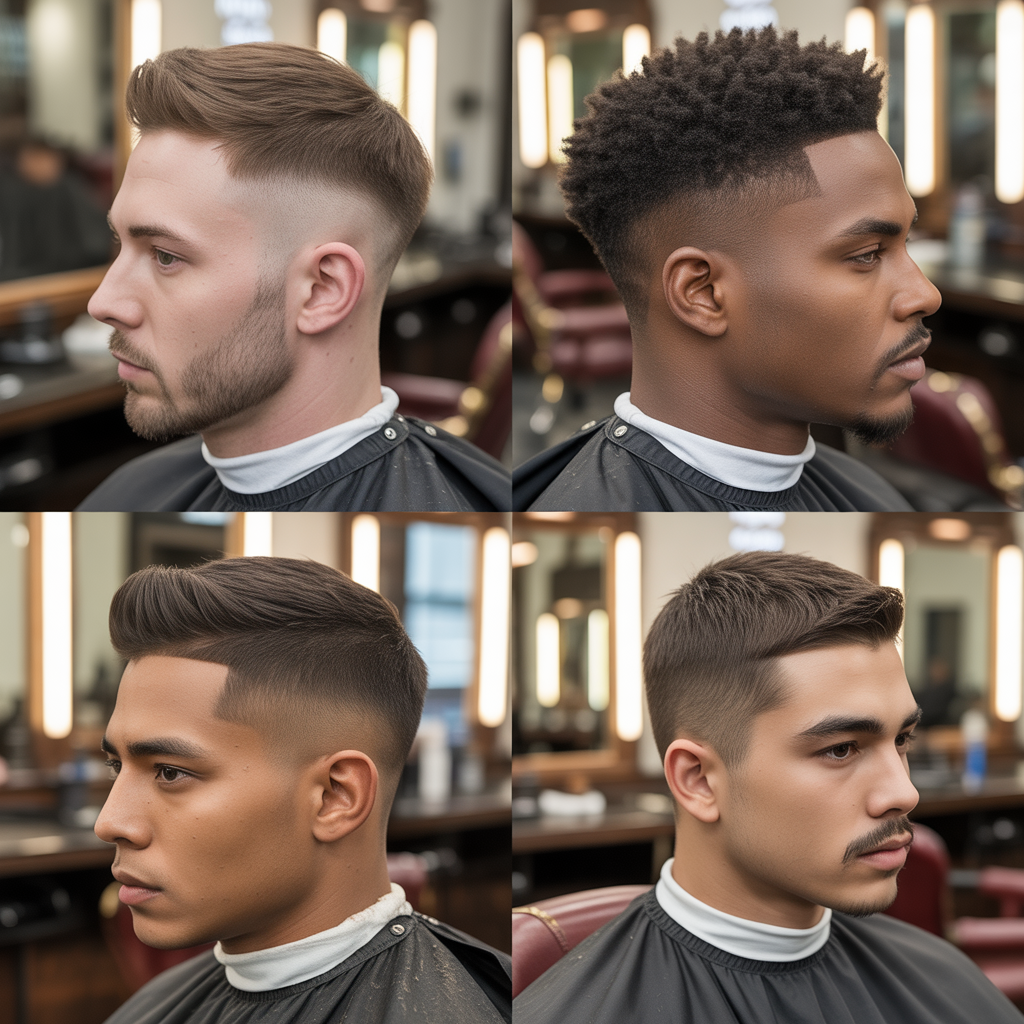
What makes fades particularly appealing is their adaptability. From the ultra-clean skin fade that exposes the scalp to the subtle low taper fade that maintains conservative length, there’s a fade variation for every preference and lifestyle requirement. The technique works beautifully with curly, wavy, straight, and kinky hair textures, making it genuinely universal. Additionally, fades can be customized with different starting points (high, mid, or low), varying degrees of blending intensity, and countless styling options on top—from pompadours and quiffs to textured crops and slicked-back looks.
This comprehensive hub serves as your ultimate resource for everything related to men’s fade haircuts. We’ve organized the content into clear categories covering foundational fade techniques, regional style variations, hair-type-specific guidance, maintenance protocols, and product recommendations. Whether you’re researching the differences between a skin fade and taper fade, exploring Filipino barbering traditions, seeking maintenance advice for your specific hair texture, or simply browsing for fresh style inspiration, this guide connects you to detailed articles that answer your specific questions.
The fade haircut’s dominance in men’s grooming stems from its perfect balance of tradition and innovation. While the technique has roots in military grooming standards and classic barbering, modern barbers have elevated fades into an art form, incorporating creative designs, unconventional blending patterns, and fusion styles that reflect diverse cultural influences. This evolution ensures that fade haircuts remain relevant and exciting, continually offering new possibilities for self-expression while maintaining the clean, polished foundation that makes them workplace-appropriate and universally flattering.
Throughout this hub, you’ll discover that choosing the right fade isn’t just about following trends—it’s about understanding your hair’s natural characteristics, your face shape, your lifestyle demands, and your personal style preferences. The articles linked throughout this guide provide the knowledge you need to make informed decisions, communicate effectively with your barber, and maintain your chosen style between appointments. Let’s explore the complete world of men’s fade haircuts and help you find the perfect style that elevates your look and boosts your confidence.
Contents
- Understanding the Fade Haircuts
- Skin Fade – The Ultimate Clean Canvas
- Taper Fade – Classic Sophistication
- Fade Comparisons – Making Informed Decisions
- Exploring Fade Variations and Specialized Styles
- Hair Type Considerations: Finding Your Perfect Fade
- Regional Styles: Filipino and Pinoy Barbering Excellence
- Popular Men’s Hairstyle Trends and Their Fade Variations
- Hairstyle Guides for Boys and Teens
- Hair Care and Maintenance Excellence
- Tools, Products and Professional Recommendations
- FAQs
- What’s the difference between a fade and a taper?
- How often should I get my fade haircut maintained?
- Do fades work with all hair types?
- Can I maintain my fade at home between barber visits?
- What should I tell my barber to get the fade I want?
- Why is my fade more expensive than regular haircuts?
- Can older men wear fade haircuts or are they only for young guys?
- Will getting a fade damage my hair or scalp?
- What’s the best fade for my face shape?
- How do I know if a fade haircut suits my lifestyle?
Understanding the Fade Haircuts
The fade haircut universe can be organized into three fundamental pillars that form the backbone of modern barbering techniques. These core categories skin fades, taper fades, and comparative decision guides provide the framework for understanding how different fade styles relate to each other and which variations might work best for your specific needs.
Skin Fade – The Ultimate Clean Canvas
The skin fade represents the most dramatic and striking fade variation, where hair is blended down to bare skin at the lowest point of the fade. This technique creates maximum contrast between the longer hair on top and the sides, resulting in an exceptionally clean and defined appearance that showcases precision barbering at its finest.
Skin fade essentials begin with understanding the fundamental technique. Barbers use progressively smaller clipper guard sizes, eventually transitioning to open blade work and razor finishing to achieve that seamless blend into exposed scalp. The process requires exceptional skill, steady hands, and a thorough understanding of head shape and hair growth patterns. When executed properly, a skin fade should show no visible lines or harsh transitions just a smooth gradient that appears almost painted onto the scalp.
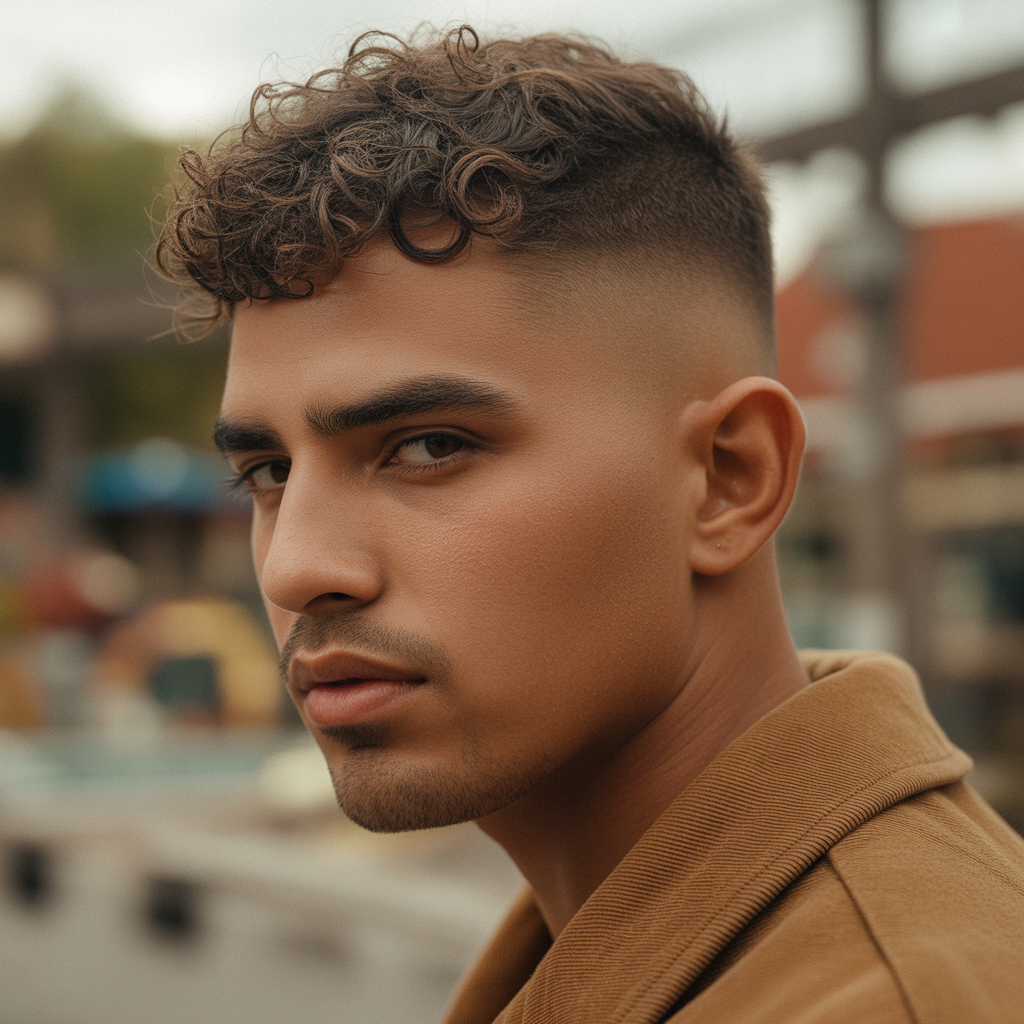
The best skin fades vary depending on individual factors including hair texture, face shape, and personal style preferences. For those with thick, coarse hair, skin fades provide excellent contrast and prevent the sides from appearing bulky. Men with oval or diamond face shapes often find that skin fades accentuate their natural features beautifully, while those with rounder faces might prefer starting the fade slightly higher to create the illusion of length. The versatility of skin fades means they work equally well with conservative business styles and bold, fashion-forward looks.
Understanding your skin fade guide options helps you communicate effectively with your barber. Low skin fades begin the transition to skin lower on the head, typically just above the ear, creating a more subtle effect. Mid skin fades start the blend around the temple area, offering balanced contrast. High skin fades begin the fade higher up the sides, creating dramatic contrast and working particularly well with longer styles on top. Each variation offers distinct aesthetic qualities and requires different maintenance schedules.
The drop skin fade introduces a curved fade line that “drops” behind the ear, following the natural contours of the head. This technique creates a more organic, flowing appearance compared to standard skin fades, which typically follow a horizontal line around the head. Drop skin fades work exceptionally well with textured styles on top and are particularly popular in urban fashion circles and among those seeking a more contemporary edge to their look.
Sometimes confused with skin fades, the bald fade is essentially synonymous both terms describe fades that blend hair down to completely bare skin. The terminology varies by region and individual barber preference, but the technique and result remain consistent. Whether you ask for a skin fade or bald fade, you’re requesting that dramatic, high-contrast look that’s become iconic in modern men’s grooming.
The distinction between skin fade vs zero fade often confuses clients, but understanding the difference helps you get precisely the look you want. A zero fade uses the shortest clipper guard (typically a 0 guard, which leaves approximately 1.5mm of hair) as the lowest point, while a skin fade goes even shorter, using open blades and razors to expose completely bare skin. The zero fade offers slightly more subtlety and grows out more evenly, while the skin fade provides maximum contrast and definition. Your choice depends on how dramatic you want the contrast and how much maintenance you’re willing to commit to between appointments.
Taper Fade – Classic Sophistication
The taper fade offers a more conservative alternative to skin fades while still providing that clean, graduated appearance that defines modern fade haircuts. Rather than blending to bare skin, taper fades gradually reduce hair length while maintaining some coverage throughout, making them ideal for professional environments and those who prefer a subtler aesthetic.
The low taper fade has emerged as one of the most requested styles in contemporary barbering, striking the perfect balance between clean sides and conservative length. This style begins the taper lower on the head, typically around the ear level, and gradually shortens the hair without exposing skin. Low taper fades work beautifully in corporate settings, complement classic business hairstyles, and require less frequent maintenance than more dramatic fade variations. They’re particularly flattering on men with longer face shapes, as the preserved length on the sides helps balance proportions.
An interesting hybrid, the skin taper fade combines elements of both techniques, starting with a taper approach in the upper portions but blending to skin at the very bottom edge. This style offers the sophistication of a taper with just a touch of the edginess that skin fades provide. It’s an excellent compromise for men who want a clean, modern look without the full commitment to the maintenance and boldness of a complete skin fade.
The eternal debate of taper vs fade often confuses people new to modern barbering terminology. Technically, a taper refers to hair that gradually gets shorter down the sides and back but doesn’t necessarily blend to extremely short lengths. Traditional tapers might leave hair at a #3 or #4 guard length at the bottom, maintaining visible length throughout. Fades, conversely, always involve blending hair to very short lengths—whether that’s to skin, a zero guard, or a #1 guard. The taper fade combines these concepts, starting with taper principles in the upper sections but incorporating fade techniques as you move toward the neckline and ear areas.
Taper fade for Black men deserves special attention because this style works exceptionally well with the unique characteristics of Black hair textures. The coarser, tighter curl pattern creates natural volume and texture that contrasts beautifully with the clean lines of a taper fade. Black barbering traditions have elevated taper fades to an art form, incorporating edge-ups, line work, and precise blending techniques that showcase the texture’s natural beauty while maintaining impeccable shape. Whether paired with waves, a short afro, curls, or completely close-cropped styles, taper fades complement Black hair exceptionally well.
Filipino taper fade styles represent another cultural interpretation of this versatile technique. Filipino barbering culture has developed distinctive approaches to taper fades, often incorporating Asian hair’s straight texture and thick density into unique style variations. Filipino taper fades frequently feature textured, messy styling on top, creating an intentionally undone look that contrasts with the precision of the faded sides. This combination of structured fade work and relaxed top styling has influenced global trends and demonstrates how regional barbering traditions continually reinvent classic techniques.
Fade Comparisons – Making Informed Decisions
Understanding the distinctions between various fade techniques empowers you to choose styles that align with your aesthetic goals, lifestyle requirements, and maintenance preferences. Comparison guides help demystify barbering terminology and reveal which subtle variations might make significant differences in your final look.
The comprehensive breakdown of fade vs taper vs blend clarifies three terms that often get used interchangeably but describe distinct techniques. A fade always involves hair gradually shortening to very short lengths with seamless transitions. A taper describes hair that gradually shortens but doesn’t necessarily reach extremely short lengths. A blend refers to the technique of creating smooth transitions between different lengths without visible lines, which is essential to both fades and tapers but can also apply to other haircut styles. Understanding these distinctions helps you communicate precisely with your barber and request exactly the look you envision.
Comparing skin fade vs normal haircut highlights how dramatically different these approaches are. Traditional “normal” haircuts often maintain relatively consistent length on the sides or use simple clipper work without the gradual blending that defines fades. Skin fades require significantly more time, skill, and precision to execute properly, which often reflects in pricing. The visual impact differs substantially as well—normal haircuts offer simplicity and longer-lasting shape, while skin fades provide that sharp, contemporary aesthetic that’s become synonymous with modern style. Your choice depends on whether you prioritize low-maintenance longevity or are willing to invest in more frequent appointments for that ultra-clean look.
The philosophical question of to fade or not to fade deserves consideration before committing to this maintenance-intensive style category. Fades undeniably offer a polished, contemporary appearance that complements current fashion trends. However, they require commitment to regular appointments every two to three weeks to maintain their crisp appearance, as fades grow out less gracefully than many other haircut styles. Consider your budget, schedule flexibility, and personal priorities when deciding whether fade haircuts align with your lifestyle. For many men, the confidence boost and style impact justify the investment, while others prefer lower-maintenance alternatives.
Revisiting skin fade vs zero fade with greater technical detail reveals why this distinction matters. The zero fade maintains approximately 1.5mm of hair at its shortest point, created using a zero guard on clippers. This slight coverage means the fade appears softer, grows out more gradually, and can be maintained slightly longer between appointments. Skin fades, achieved through clipper-over-comb work and razor finishing, expose completely bare scalp, creating maximum contrast and definition but requiring more frequent maintenance. If you’re prone to razor bumps or skin irritation, the zero fade might provide a gentler alternative while still delivering that clean, modern aesthetic.
Finally, understanding burst vs drop fade clarifies two popular contemporary variations that introduce curves and organic shapes into fade architecture. The drop fade, as mentioned earlier, follows the natural curvature of the head, creating a fade line that drops behind the ear rather than following a straight horizontal line. The burst fade creates a semicircular or “bursting” effect around the ear, often used with mohawk-style cuts or when maintaining length in the back while fading the sides. Both techniques add visual interest and movement to the fade, offering alternatives to the traditional, more geometric fade lines.
Exploring Fade Variations and Specialized Styles
Beyond the foundational fade categories, contemporary barbering has developed numerous specialized variations that cater to specific aesthetic preferences, regional traditions, and creative expression. These sub-pillars represent the evolution of fade techniques into distinctive style categories.
Burst Fade: The Curved Contour Revolution
The burst fade has gained tremendous popularity for its organic, flowing appearance that works beautifully with various top styles. Unlike traditional fades that circle the entire head, burst fades create a semicircular or fan-like effect around the ear, often maintaining more length in the back section. This creates a mohawk-like silhouette without requiring the dramatic length contrast of traditional mohawks, making it more versatile for various settings.
A comprehensive burst fade guide reveals the technique’s versatility across different hair textures and face shapes. The burst effect draws attention forward, creating visual movement that complements angular face shapes particularly well. When paired with textured crops, quiffs, or pompadours on top, burst fades create a cohesive look that feels contemporary and fashion-forward without appearing overly trendy or difficult to style daily.
The comparison between SOF vs burst fade (South of France vs burst fade) highlights two distinct approaches to incorporating curves into fade architecture. While both introduce organic, non-linear elements, the South of France maintains more traditional fade coverage while creating a curved front hairline, whereas burst fades focus the curve specifically around the ear area. Understanding these distinctions helps you articulate which curved fade variation appeals to your aesthetic preferences.
The semi-kalbo burst fade represents a Filipino interpretation of burst fade techniques, incorporating “kalbo” (Filipino term for bald or very short) elements into the burst structure. This hybrid approach creates dramatic contrast while celebrating the curved, flowing lines that make burst fades distinctive. The style works exceptionally well with thick, straight Asian hair textures, demonstrating how regional barbering communities adapt global trends to suit local hair characteristics.
Understanding men’s burst fade fundamentals requires recognizing that this style demands exceptional precision from your barber. The curved fade line requires careful clipper work and expert blending to appear natural rather than artificial or harsh. When executed properly, burst fades create the illusion that your hair naturally grows with this curved pattern, seamlessly integrating the fade into your overall hairstyle rather than making it appear like a separate design element.
Drop Fade: Following Natural Head Contours
The drop fade deserves its own category because of how fundamentally it differs from standard horizontal fades. By following the natural curvature of the head and dropping behind the ear, this technique creates a more organic, less geometric appearance that many find more flattering and contemporary.
A thorough drop fade guide explains how this technique works with various hair lengths and textures. Drop fades particularly complement textured styles on top because both elements embrace natural movement and organic shapes rather than rigid geometric precision. The technique works beautifully with curly hair, creating harmony between the natural curl pattern on top and the flowing fade line on the sides.
The mid drop fade represents the most popular variation, starting the drop around the temple area and creating a gradual, natural-looking curve behind the ear. This balanced approach works well with nearly any face shape and doesn’t create the extreme height illusion of high fades or the conservative appearance of low fades. Mid drop fades offer that sweet spot of contemporary style without venturing into overly bold territory.
Exploring drop fade ideas reveals countless possibilities for customization. Drop fades can be combined with skin fade techniques for maximum drama, blended with taper approaches for subtlety, or enhanced with line work and design elements for creative expression. The curved architecture provides a foundation that supports numerous styling directions, from slicked-back professional looks to textured, messy contemporary styles.
South of France Fade: The Curved Hairline Statement
The South of France fade (often abbreviated as SOF or “Usher fade” after the singer who popularized it) creates a distinctive curved front hairline while maintaining traditional fade coverage on the sides. This technique produces a unique geometric statement that’s become iconic in Black barbering and hip-hop culture.
Finding the best SOF for Black men involves understanding how this style interacts with different hair textures and styling preferences. The curved hairline creates a frame that works exceptionally well with waves, close-cropped styles, and various textures in Black hair. The precision required for a clean SOF makes it a showcase piece for skilled barbers, demonstrating mastery of both fading techniques and line work.
While traditionally associated with Black hair textures, the SOF for straight hair has gained popularity as the style crosses cultural boundaries. Straight-haired individuals can absolutely rock the South of France, though the technique may require slight modifications to accommodate different hair behaviors. Straight hair often requires more frequent maintenance to keep the curved hairline crisp, as the hair grows out in a more uniform pattern compared to textured hair that maintains shape through its natural curl.
The SOF with curls represents one of the most popular contemporary combinations, pairing the structured, geometric fade with the organic texture of natural curls on top. This contrast between precise fade work and freestyle curl patterns creates visual interest and balance, making it a favorite among those who want to celebrate their natural texture while maintaining clean, defined edges.
Learning how to ask for SOF fade prevents communication breakdowns at the barbershop. Simply requesting a “South of France” or “SOF fade” generally communicates the style effectively, but you can provide additional clarity by mentioning your preferred fade height (low, mid, or high) and whether you want skin fade contrast or a more subtle taper approach. Bringing reference photos always helps, particularly if you’re requesting this style from a barber unfamiliar with you or the specific variation you prefer.
Understanding why SOF stands out requires appreciating how this style breaks from traditional fade architecture. Most fades maintain the natural hairline and create gradients on the sides and back. The SOF intentionally reshapes the front hairline into a curved, geometric statement that draws attention and creates a distinctive silhouette. This boldness makes it a favorite among those who view their haircut as a form of creative expression and aren’t afraid to stand out.
Skin Taper Fade: The Hybrid Approach
The skin taper fade category deserves detailed exploration because it represents a perfect fusion of taper and skin fade philosophies. These styles begin with taper principles in the upper sections, maintaining conservative length, but transition to skin at the very bottom edge, creating a touch of that dramatic contrast without fully committing to the maintenance and boldness of complete skin fades.
Skin taper fade trends have evolved to include numerous variations. Some maintain more taper characteristics with just a thin strip of skin at the bottom edge, while others lean harder into fade territory, using skin exposure more liberally. Current trends favor versatility—skin taper fades that can be styled professionally for work but also adapt to casual weekend looks with simple styling changes.
The messy skin taper fade pairs structured fade work with intentionally undone styling on top, creating an appealing contrast between precision and relaxed texture. This style has become particularly popular among younger demographics who appreciate the polished sides but want to avoid the overly groomed appearance that some associate with slicked or perfectly styled looks. The messy top adds personality and prevents the overall look from appearing too rigid or conventional.
The afro skin taper fade celebrates natural Black hair texture while maintaining clean, defined edges. This style allows the afro to maintain its volume and natural curl pattern on top while keeping the sides and back neat and manageable. The skin taper provides structure without overwhelming the texture, creating balance and making the afro appear more intentional and styled rather than simply grown out. This combination has become a powerful statement of natural hair celebration combined with grooming excellence.
Hair Type Considerations: Finding Your Perfect Fade
Hair texture dramatically influences which fade variations will look best and perform most effectively. Understanding how different fade techniques interact with your specific hair characteristics ensures you choose styles that complement rather than fight against your natural attributes.
Curly Hair Fade Techniques
The curly hair fade guide reveals why fades work so exceptionally well with curly textures. Curls naturally create volume on top, which contrasts beautifully with the clean lines of faded sides. The fade prevents the sides from appearing bulky or triangular—a common challenge with curly hair when sides are left too long. Whether your curls are loose and flowing or tight and springy, the right fade variation creates balance and showcases your texture as an asset rather than something to be managed or hidden.
Curly-haired individuals often benefit from mid to high fades that prevent weight accumulation on the sides. The fade creates definition and structure while allowing the curls on top to be the focal point. Maintenance becomes simpler too, as keeping the sides short reduces the amount of curl-specific styling and product application needed for daily maintenance.
Wavy Hair Fade Solutions
The wavy hair fade guide addresses a texture that falls between straight and curly, requiring specific considerations. Wavy hair can appear bulky on the sides if left too long, but it also lacks the natural volume of tightly curled hair. Fades solve this beautifully by reducing side weight while allowing enough length on top for the waves to develop character and movement.
Wavy-haired men often find that textured, slightly messy styles on top pair perfectly with faded sides. The waves provide natural movement and dimension that elevate even simple haircuts into interesting, dynamic looks. Low to mid fades typically work best, providing clean sides without creating excessive height contrast that might look disproportionate with wavy texture’s more moderate volume.
Straight Hair Fade Considerations
The straight hair fade guide explains how this texture’s uniform growth pattern and lack of natural volume influence fade selection. Straight hair grows out more uniformly than textured hair, which means fades tend to lose their shape slightly faster. However, straight hair’s smooth texture also showcases the precision of fade work beautifully, allowing clean blend lines to be clearly visible.
Men with straight hair often benefit from incorporating texture on top—through cutting techniques, styling products, or both—to prevent the overall look from appearing too flat or one-dimensional. When the sides are cleanly faded but the top maintains smooth, straight texture, the contrast can sometimes appear harsh. Adding slight texture, movement, or height on top creates better overall balance.
Type 4 and Kinky Hair Fade Excellence
The Type 4/kinky hair fade guide celebrates how exceptionally well these textures respond to fade techniques. The tight, dense curl pattern of Type 4 hair creates natural volume and texture that contrasts dramatically with faded sides, making the fade’s clean lines particularly striking. Kinky hair also maintains shape excellently, meaning fades can last slightly longer before requiring touch-ups compared to straighter textures.
Fades on kinky hair showcase the texture’s natural beauty while providing structure and definition. Whether paired with a short afro, waves, twists, or close-cropped styles, fades prevent the hair from appearing unkempt while still celebrating natural texture. The precision required for fades on kinky hair has elevated Black barbering to an art form, with techniques specific to this texture being studied and admired throughout the global barbering community.
Thick Hair Fade Management
The thick hair fade guide addresses the challenges and advantages of working with high-density hair. Thick hair can easily appear bulky and overwhelming if not properly managed, making fades almost essential for maintaining proportion and shape. Fades remove weight from the sides and back, preventing that triangular silhouette that thick-haired individuals often struggle with when sides are left too long.
Thick hair holds fade shapes excellently once cut, as the density prevents weird growth patterns or thin patches from appearing as the hair grows out. However, the sheer volume of hair means fade appointments might take slightly longer and require more frequent maintenance to prevent the sides from becoming too heavy between cuts.
Specialized Top Styling Options
The brushed back fade represents a sophisticated styling choice that pairs sleek, mature aesthetics with modern fade techniques. This style works well in professional settings, offering polish and refinement while still incorporating contemporary grooming trends. Achieving the brushed back look requires sufficient length on top (typically 3-5 inches), quality styling products with hold, and regular blow-drying to train the hair in the desired direction.
The buzz cut for curly hair might seem contradictory—why maintain curls if you’re cutting everything short? However, even very short curly hair maintains its texture characteristics, creating a different appearance than straight hair cut to the same length. A curly buzz cut paired with faded sides creates a low-maintenance style that still celebrates natural texture while offering ultimate simplicity for daily grooming.
Regional Styles: Filipino and Pinoy Barbering Excellence
Filipino barbering culture has developed distinctive approaches to fade haircuts, influenced by Asian hair characteristics, local fashion trends, and unique cultural aesthetics. These styles deserve dedicated attention for their creativity, technical execution, and growing influence on global grooming trends.
Contemporary Pinoy Haircut Trends
The collection of top Pinoy haircuts showcases styles that have emerged from Filipino barbershops and gained international recognition. Filipino barbers have become renowned for their technical precision, creative styling, and ability to work with the thick, straight hair common among Asian populations. Pinoy cuts often feature dramatic textured styling on top paired with ultra-clean faded sides, creating striking contrast and contemporary edge.
These styles frequently incorporate undercut elements, creative line work, and styling that appears effortlessly messy but actually requires specific cutting techniques and products to achieve. The Filipino approach to men’s grooming balances masculinity with willingness to experiment with length, texture, and unconventional styling methods.
Age-Appropriate Filipino Styles
Filipino school boy cuts demonstrate how fade techniques can be adapted for younger demographics and conservative dress code requirements. These styles maintain the clean, polished appearance expected in educational settings while still offering enough personality and style to let young men express themselves. School-appropriate Pinoy cuts typically feature lower fades, conservative length on top, and styling that stays neat throughout the school day without requiring constant adjustment.
Filipino office haircuts navigate similar territory for adult professionals, balancing workplace appropriateness with contemporary style. These cuts understand that professional environments require polish and conservatism but recognize that modern professionals still want to feel current and stylish. Office-appropriate Filipino haircuts often use subtle texturing, moderate length, and low to mid fades that appear sharp during business hours but can be styled more casually outside work.
Filipino short haircuts embrace the practical benefits of low-maintenance length while still incorporating modern fade techniques and styling elements. These cuts work excellently in hot, humid climates (common throughout the Philippines) and suit active lifestyles where lengthy styling routines aren’t practical. Short Filipino cuts often feature buzzed or closely cropped tops paired with skin fades, creating clean, masculine aesthetics with minimal daily maintenance requirements.
Filipino Style Combinations
Pinoy fade combos demonstrate the creative fusion possibilities that Filipino barbers excel at executing. These combinations might pair burst fades with textured crops, drop fades with pompadours, or skin fades with spiky styling—each combination creating a distinctive look that showcases both technical barbering skill and creative vision. The willingness to experiment and combine elements from different style traditions characterizes Filipino barbering excellence.
Gen-Z Filipino hairstyles reflect how younger generations continue innovating within Filipino barbering traditions. These styles often push boundaries further, incorporating even more dramatic textures, unconventional color, creative line work, and styling influenced by K-pop, social media trends, and streetwear fashion. Gen-Z Filipino cuts demonstrate that traditional barbering skills continue evolving to serve new aesthetic preferences while maintaining technical excellence.
Popular Men’s Hairstyle Trends and Their Fade Variations
Fade techniques enhance numerous classic and contemporary hairstyles, providing clean foundations that let the top styling be the focal point. Understanding how fades pair with various style categories helps you envision complete looks rather than considering fades in isolation.
Classic Styles with Modern Fades
The pompadour represents one of the most iconic men’s hairstyles, and its pairing with modern fades has breathed new life into this classic look. Traditional pompadours featured tapered sides, but contemporary versions increasingly incorporate fades—particularly mid to high fades—that create greater height contrast and more dramatic visual impact. The voluminous sweep of a pompadour balanced against cleanly faded sides creates a powerful masculine aesthetic that works in both professional and creative environments.
Contemporary Trend Adaptations
The wolf cut has emerged as a popular style characterized by shaggy, layered texture with shorter hair on top and longer hair in the back. While wolf cuts traditionally embrace an intentionally unkempt aesthetic, incorporating faded sides creates structure and prevents the style from appearing too wild or ungroomed. This fusion demonstrates how contemporary trends can be adapted to suit various preferences and lifestyle requirements.
The mullet fade represents another modern interpretation of a historically polarizing style. Contemporary mullets differ significantly from their 1980s predecessors, featuring more subtle length contrast and sophisticated styling. Pairing the classic “business in front, party in back” mullet philosophy with cleanly faded sides creates a style that feels deliberately fashionable rather than accidentally dated. Mullet fades have gained surprising traction among fashion-forward individuals willing to embrace bold, unconventional looks.
Spiky hair with faded sides combines early 2000s nostalgia with contemporary grooming standards. While the extremely gelled, rigid spikes of that era have (mostly) not returned, textured, piece-y styling that creates upward movement and dimension has maintained popularity. Paired with clean fades, spiky styles feel current and intentional rather than dated.
Future-Forward Trend Forecasting
Examining 2025/2026 trending fades reveals where men’s grooming is heading. Current trend indicators suggest continued emphasis on texture and natural movement on top, increased willingness to experiment with unconventional fade lines and patterns, growing interest in maintenance-friendly styles that don’t require daily blow-drying or extensive product application, and fusion styles that blend elements from different cultural and aesthetic traditions.
Sustainability consciousness is also influencing grooming trends, with some men seeking styles that require less frequent cutting or can grow out more gracefully to reduce salon visits. This might seem contradictory given fades’ maintenance requirements, but it’s pushing innovation in fade designs that maintain acceptable shape for longer periods between appointments.
Cultural Icon Styles
Juice haircuts (referencing rapper Tupac Shakur’s iconic looks) celebrate the fade’s role in hip-hop culture and Black style traditions. These cuts often feature low fades or tapers paired with hair designs, waves, or short textured tops, creating looks that pay homage to influential figures while remaining contemporary and wearable.
Celebrity buzz cuts demonstrate how even extremely short styles can incorporate fade principles. When celebrities opt for buzz cuts or near-shaved looks, they typically maintain some fade gradation rather than using a single guard length across the entire head. This creates dimension and flattering shape even with minimal length, proving that sophisticated grooming applies at any hair length.
Hairstyle Guides for Boys and Teens
Younger demographics have specific needs and considerations when it comes to fade haircuts, balancing self-expression with age-appropriateness and practical maintenance realities.
Early Age Considerations
Toddler fade haircuts introduce the youngest clients to modern grooming while respecting their developmental needs and typical behaviors. Toddler fades usually feature simpler blending techniques that require less time in the barber chair (essential for maintaining a toddler’s cooperation), gentler transitions that avoid skin exposure (which can be more challenging with young children’s sensitive skin), and styles that parents can easily maintain between professional cuts.
The primary consideration with toddler fades is creating age-appropriate styles that look cute and well-groomed without appearing overly mature. The goal is enhancing a child’s natural appearance rather than making them look like miniature adults.
Youth Style Development
Curly haircuts for boys address how to manage and celebrate natural texture during childhood and adolescence. Many boys with curly hair struggle with their texture during these years, feeling pressure to conform to straighter hair aesthetics they see in media. Quality curly haircuts—often incorporating fade techniques on the sides—help young people appreciate their natural texture by showing how professional grooming can make curls look intentional and stylish rather than messy or unmanageable.
Boys’ fade trends tend to follow adult trends with slight modifications for age-appropriateness. Popular styles include textured crops with low fades, short spiky styles with mid fades, and brushed-forward fringe cuts with faded sides. These styles work well for active youngsters, remain neat during school hours, and provide enough personality to help boys feel stylish and confident.
Teen Identity Expression
Teen fade styles navigate the complex territory where young people are developing personal identity and aesthetic preferences while still requiring some level of adult approval (for school dress codes, parental expectations, etc.). Teen fades often push boundaries slightly further than younger children’s cuts, incorporating higher fades, more dramatic textures, possible line work or designs, and styling that requires some personal effort to maintain.
This age represents a crucial time for developing good grooming habits and learning to communicate with barbers about desired looks. Teens who learn to maintain quality haircuts often carry these habits into adulthood, making this an important period for developing lifelong grooming practices.
Hair Care and Maintenance Excellence
Achieving a great-looking fade in the barber chair is only half the equation—maintaining that look between appointments requires knowledge, effort, and appropriate products.
Appointment Frequency Guidelines
Understanding how often men should get a haircut specifically for fade maintenance helps you budget time and money appropriately. Skin fades typically require appointments every 2-3 weeks to maintain their crisp appearance, as the contrast they create becomes less dramatic relatively quickly as hair grows out. Taper fades often last 3-4 weeks while still looking acceptable, offering slightly more flexibility for those with busy schedules or tighter budgets.
Your personal hair growth rate significantly influences ideal appointment frequency. Some men experience rapid hair growth that requires more frequent cuts, while others can push appointments slightly longer without the fade appearing too grown out. Communication with your barber about your typical growth patterns and their recommendations for maintenance schedules ensures you keep your fade looking fresh without unnecessary frequent visits.
Texture-Specific Maintenance
Learning how to care for kinky hair between barber appointments ensures your texture remains healthy while your fade maintains its shape. Kinky hair requires moisture to prevent breakage and maintain shine, so proper conditioning and moisturizing become essential. Regular oil application, protective nighttime practices (like silk or satin pillowcases or durags), gentle detangling techniques, and avoiding over-manipulation help maintain hair health while your fade grows out.
Kinky hair’s tight curl pattern means fades can actually maintain their appearance slightly longer than on straighter textures, as the natural texture provides some camouflage for growth. However, edge work and line-ups typically need more frequent attention to stay crisp.
Styling Technique Mastery
Understanding how to style brushed back hair enables you to recreate polished looks at home. This styling requires beginning with damp (not wet) hair for easier manipulation, applying pre-styling products like mousse or heat protectant, blow-drying hair backward while using a brush or your hands to direct hair into the desired position, applying finishing products (pomade, wax, or gel) for hold and shine, and finishing with a final blast of cool air from the dryer to set the style.
The brushed back look requires sufficient length (typically 3+ inches) and works best when hair has some natural body or texture. Completely straight, fine hair might require more aggressive product application to achieve the same hold and height.
Fade-Specific Maintenance
Learning how to maintain SOF fade specifically addresses this style’s unique requirements. The curved hairline that defines the South of France requires regular edge work to maintain its crisp, geometric appearance. Many people with SOF fades perform touch-up edge work at home between barber appointments using trimmers or razors, though this requires careful technique to avoid mistakes that could compromise the shape.
The fade portions of an SOF follow typical fade maintenance principles, but the distinctive front hairline demands extra attention. Some maintain the fade sides less frequently but get more regular shape-ups focused specifically on refreshing the curved hairline.
General fade haircut maintenance tips include brushing hair daily to train growth patterns and distribute natural oils, avoiding excessive hat wearing immediately after a fresh cut (which can flatten the fade’s shape), applying light moisturizer to faded skin areas to prevent dryness and irritation, scheduling regular appointments before your fade grows out completely (rather than waiting until it looks rough), and communicating with your barber about any concerns or adjustments you’d like for future appointments.
Tools, Products and Professional Recommendations
Quality grooming requires quality tools and products. Understanding what professionals use and recommend helps you achieve better results both in the barber chair and at home.
Professional Clipper Selection
Researching the best clippers reveals that professional-grade tools differ significantly from consumer-level options. Professional clippers feature more powerful motors that can handle continuous use without overheating, more precise blade adjustments for achieving various fade lengths, more durable construction that withstands daily professional use, and better ergonomics for extended holding and manipulation.
While professional clippers represent a significant investment, they’re essential for barbers and worthwhile for individuals who trim or maintain their own fades at home. Popular professional brands include Wahl, Andis, and Oster, with specific models designed for various cutting techniques and hair textures.
Styling Product Excellence
Finding the best styling gels depends on your hair texture and desired finish. Modern gels have evolved far beyond the crunchy, flaky formulas of the past. Contemporary styling gels offer flexible hold that allows movement and restyling throughout the day, non-flaking formulas that don’t leave white residue, varying shine levels from matte to glossy finishes, and humidity resistance to maintain style even in challenging weather conditions.
Different hair textures benefit from different gel formulations—curly hair often needs gels with more moisture and less alcohol content, while straight hair might prefer lighter-weight options that provide hold without weighing hair down. Experimentation with various brands and formulas helps you find products that work specifically for your hair’s characteristics.
Grooming Tool Essentials
Selecting the best brushes for men involves understanding how different brush types serve different purposes. Boar bristle brushes help distribute natural oils and create smooth, polished looks, paddle brushes work well for general grooming and detangling, round brushes provide the best results when blow-drying and creating volume, and beard brushes (for those with facial hair) help soften and style beard hair that grows alongside your fade.
Quality brushes represent worthwhile investments as they last years with proper care and perform significantly better than cheap alternatives. Natural bristle brushes particularly surpass synthetic options for creating smooth finishes and promoting hair health.
Budget-Conscious Grooming
Understanding budget grooming essentials helps you maintain quality appearance without excessive spending. The core essentials include one quality multi-purpose styling product (either a pomade or cream that works for various looks), a decent comb for general grooming and parting, basic clippers if you plan to do any home maintenance, a quality shampoo and conditioner appropriate for your hair type, and regular barber appointments prioritized in your budget (as professional cuts form the foundation that home maintenance builds upon).
Starting with these essentials creates a solid foundation. As your interest in grooming grows and your budget allows, you can expand your collection with specialized products for different looks, occasions, or styling challenges. The key is prioritizing quality professional haircuts as the foundation, then building your home maintenance toolkit gradually based on actual needs rather than perceived requirements.
FAQs
What’s the difference between a fade and a taper?
A fade blends hair down to very short lengths (skin, zero guard, or #1 guard) with seamless gradual transitions between lengths. A taper gradually shortens hair down the sides and back but doesn’t necessarily reach extremely short lengths—traditional tapers might end at a #3 or #4 guard. Taper fades combine both concepts, starting with taper principles in upper sections but incorporating fade techniques as you move toward the neckline and ears, creating that clean, modern appearance while maintaining some versatility.
How often should I get my fade haircut maintained?
Maintenance frequency depends on your specific fade type and personal tolerance for grown-out appearance. Skin fades require appointments every 2-3 weeks to maintain their crisp, dramatic contrast. Taper fades typically last 3-4 weeks before requiring refresh. Zero fades fall somewhere between these timelines at approximately 2.5-3.5 weeks. Your individual hair growth rate also influences timing—faster growth requires more frequent visits. Most men find that scheduling appointments before the fade grows out completely (rather than waiting until it looks rough) maintains better overall appearance.
Do fades work with all hair types?
Yes, fade haircuts work exceptionally well across all hair textures—straight, wavy, curly, and kinky hair all benefit from fade techniques, though the specific fade variation and styling approach might differ. Curly and kinky hair creates natural volume on top that contrasts beautifully with faded sides, preventing bulky triangular shapes. Straight hair showcases the precision of fade work clearly, though it grows out slightly faster. Wavy hair benefits from the side weight reduction while maintaining enough length on top for waves to develop character. The key is selecting the appropriate fade height and styling approach for your specific texture.
Can I maintain my fade at home between barber visits?
Limited home maintenance is possible with proper tools, technique, and realistic expectations. You can maintain edge work and clean up the neckline between appointments using quality trimmers, keeping your fade looking fresher for longer. However, the actual fade blending requires professional skill—attempting to recreate the fade’s gradient yourself risks creating visible lines, uneven blending, or other issues that your barber must fix at your next appointment. Focus home maintenance on edge cleanup and light outlining rather than attempting to recreate the fade itself.
What should I tell my barber to get the fade I want?
Effective communication combines specific terminology with visual references. Specify your desired fade type (skin fade, taper fade, drop fade, burst fade, etc.), fade height (low, mid, or high), and how you want the top styled. Bringing reference photos eliminates ambiguity—show your barber several images of the look you want from different angles. Describe your lifestyle and maintenance commitment so your barber can recommend variations that suit your practical realities. Don’t hesitate to ask questions during the consultation—good barbers appreciate clients who engage in the planning process.
Why is my fade more expensive than regular haircuts?
Fade haircuts require significantly more time, skill, and precision than traditional haircuts. Creating seamless gradual blending without visible lines demands technical expertise, specialized clipper work, attention to detail, and often 45-60 minutes of focused work (compared to 15-30 minutes for simpler cuts). You’re paying for specialized barbering skill, the artistic expertise to create custom blends that complement your specific head shape, and the time investment required to execute the technique properly. Quality fades represent one area where investing in experienced professionals produces dramatically better results.
Can older men wear fade haircuts or are they only for young guys?
Fade haircuts work excellently for men of all ages—the key is selecting age-appropriate variations and styling. Older gentlemen often prefer more conservative low taper fades paired with classic styling on top, creating sophisticated, polished appearances appropriate for professional environments. The clean lines of a fade can actually help older men appear more groomed and contemporary without trying to look younger. Many mature professionals appreciate how fades provide that neat, put-together appearance while remaining distinctly masculine and age-appropriate.
Will getting a fade damage my hair or scalp?
Properly executed fades don’t damage hair or scalp. However, very frequent fading (multiple times per week) or aggressive razor work might cause irritation, particularly for those with sensitive skin. Some people experience temporary razor bumps or minor irritation, especially when first starting to get skin fades—this typically improves as your skin adapts. Communicate any skin sensitivity concerns with your barber so they can adjust techniques, use gentler tools, or recommend appropriate aftercare. Keeping faded areas moisturized between appointments helps maintain scalp health.
What’s the best fade for my face shape?
Face shape considerations help optimize fade selection. Oval faces suit virtually any fade variation. Round faces benefit from higher fades that create vertical visual lines and reduce width perception. Square faces work well with mid fades that soften angular features without hiding jawline definition. Long/rectangular faces often look best with lower fades that don’t add excessive height. Diamond faces pair nicely with mid to high fades that balance forehead width. However, these represent general guidelines rather than strict rules—personal preference, hair texture, and lifestyle factors should ultimately guide your choice.
How do I know if a fade haircut suits my lifestyle?
Assess your lifestyle honestly before committing to fade maintenance. Consider whether you can afford appointments every 2-4 weeks based on both budget and schedule. Evaluate whether your workplace or professional environment accepts contemporary fade aesthetics (most do, but some conservative industries might prefer traditional grooming). Think about whether you enjoy the grooming process and looking sharp, or whether you prefer truly low-maintenance styles. Determine if you’re willing to invest in quality styling products and spend a few minutes daily maintaining your look. If these factors align positively, fades likely suit your lifestyle well.